
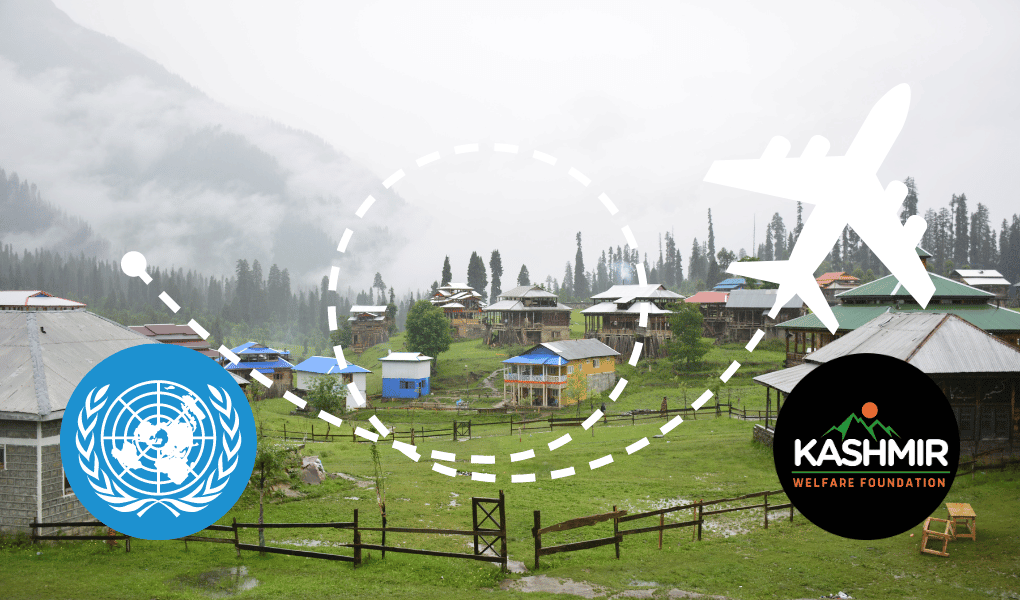
A land reopening its arms to the world
There are few places on earth that stir the heart quite like Kashmir. From its snow-capped peaks to its shimmering lakes, the region has always captured the imagination of travellers. But beyond the beauty lies a deeper story — one of resilience, recovery, and hope.
After years of challenges, Kashmir is once again open to the world. And standing at the forefront of this revival is the Kashmir Welfare Foundation, working tirelessly to ensure that every visitor experiences the warmth, safety, and authenticity that this land has to offer.
This year, as the world observes Global Tourism Resilience Day on 17th February, Kashmir’s story becomes a living example of what resilience truly means — not just the recovery of a destination, but the revival of an entire people’s spirit.
The Meaning Behind Global Tourism Resilience Day
In 2022, the United Nations General Assembly adopted Resolution A/RES/77/269, officially designating 17th February as Global Tourism Resilience Day. The day serves as a reminder that tourism is far more than leisure — it is a lifeline for millions of communities across developing nations.
From small island states to mountain villages like those in Azad Kashmir, tourism fuels economies, creates employment, and supports cultural preservation. But when disasters strike — whether natural, political, or economic — tourism is often the first sector to suffer and the last to recover.
The United Nations calls on all nations to build resilience: to strengthen infrastructure, protect communities, and promote sustainability. In the valleys of Kashmir, that message has found a powerful echo.
A Safe Haven for Travellers
For decades, global headlines have painted Kashmir as a conflict zone. Yet those who visit today find a different reality — one defined by peace, progress, and hospitality.
Thanks to improved stability and tireless local efforts, Kashmir is once again safe and welcoming. The Kashmir Welfare Foundation, working with local authorities and community partners, has helped reinforce this transformation.
Our initiatives support:
- Enhanced safety protocols in key tourist zones.
- Stronger emergency response systems in remote areas.
- Improved infrastructure to make travel easier and safer.
- Training for hospitality workers in guest safety and first aid.
From the bustling streets of Muzaffarabad to the serene valleys of Neelum and Leepa, visitors can now explore with confidence. The people of Kashmir are ready — ready to share their stories, traditions, and homes.
Sustainable Tourism: Protecting What Makes Kashmir Special
Sustainability isn’t a buzzword in Kashmir — it’s a necessity. The environment here is fragile, yet it is also the very reason travellers come.
The Kashmir Welfare Foundation promotes eco-tourism that respects both the land and the people who depend on it. We work with local communities to ensure that tourism not only brings income but also safeguards the natural beauty that defines our home.
Through our Green Kashmir Campaign, we support projects like:
- Tree planting and forest restoration through the 1 Million Trees Project.
- Drakht Lagao, Talaab Banao Project, which builds small water ponds and irrigation systems to protect farmlands.
- Eco-awareness programmes for students and tour operators to reduce waste and pollution in sensitive areas.
Sustainable tourism means travelling lightly — leaving footprints of friendship, not destruction.
Preserving Kashmir’s Cultural Heritage
Every traveller who visits Kashmir discovers something deeper than scenery — a living culture woven through art, music, and faith.
The Kashmir Welfare Foundation supports the preservation of this priceless heritage through several initiatives. From restoring ancient mosques and shrines to promoting Kashmiri crafts and folk traditions, we help keep the cultural heartbeat alive.
We collaborate with local artisans, calligraphers, and craftsmen, helping them connect directly with visitors and fair-trade markets. Tourists can watch pashmina weavers at work, learn the art of papier-mâché painting, or listen to Sufi qawwalis performed in mountain villages.
Every cultural exchange strengthens identity, pride, and mutual understanding. It also ensures that young artisans see value in continuing their ancestral crafts — turning tourism into a tool for heritage preservation.
Empowering Local Communities Through Tourism
At its heart, tourism in Kashmir is about people. The beauty of the valley is magnified through the generosity and warmth of its residents.
The Kashmir Welfare Foundation’s Empower Lives Campaign ensures that the economic benefits of tourism reach those who need them most. We partner with local guides, homestay owners, small business entrepreneurs, and women-led cooperatives to create fair opportunities.
Our work includes:
- Homestay development support – helping families prepare safe, comfortable accommodations for visitors.
- Skill training workshops – empowering women and youth to enter hospitality and handicraft markets.
- Microgrants for local businesses that serve tourists — from tea stalls to transport services.
Tourism isn’t just about hotels and travel packages. It’s about dignity, income, and independence. When a single mother in Leepa Valley earns from hosting travellers, or when a young man from Neelum becomes a licensed guide, the impact of tourism becomes deeply personal.
Support community empowerment through tourism by donating to the Empower Lives Campaign
Bridging Cultures: The Role of the UK Diaspora
The British Pakistani and Kashmiri diaspora have always maintained a strong emotional connection with their ancestral homeland. Today, that bond can help shape the future of tourism in Azad Kashmir.
By visiting, investing, and supporting responsible tourism, the UK community can help rebuild livelihoods and foster cultural exchange. Whether it’s sponsoring a local eco-lodge, supporting a craft cooperative, or contributing towards training for young guides, every act of giving creates ripples of hope.
When UK donors choose to give through the Kashmir Welfare Foundation, they are not just funding charity — they are investing in Kashmir’s resilience, helping a region stand tall again on its own feet.
A Model for Resilient Tourism
The story of Kashmir mirrors the very essence of Global Tourism Resilience Day — the ability of people to rebuild after hardship. Despite natural disasters, economic struggles, and political challenges, the valley stands renewed.
This resilience comes from faith, unity, and a determination to welcome the world once again. Visitors who walk through the bazaars of Muzaffarabad, hike in the forests of Sharda, or share tea in a village home are not just tourists — they are participants in a remarkable comeback story.
The Kashmir Welfare Foundation envisions a future where every traveller’s journey contributes directly to social good. A trip to Kashmir becomes an act of solidarity — one that sustains families, protects nature, and preserves identity.
Why Responsible Travel Matters
For travellers, visiting Kashmir is more than ticking a destination off a list. It’s a chance to be part of something transformative.
By choosing community-run tours, staying in homestays, buying handmade crafts, and respecting local customs, visitors play a vital role in shaping the future of sustainable tourism.
Responsible travel protects the very treasures that make Kashmir unique — its people, its traditions, and its environment.
Tourism Resillience FAQs
1. Is Kashmir safe for tourists now?
Yes. The situation has stabilised significantly, and tourism is actively encouraged. Local authorities and organisations like the Kashmir Welfare Foundation are working to maintain peace and safety across key tourist regions.
2. What is Global Tourism Resilience Day?
Celebrated on 17th February, it is a UN-recognised day that highlights the need for tourism to recover and adapt after crises. It encourages countries to build stronger, more sustainable tourism systems.
3. How is the Kashmir Welfare Foundation promoting tourism?
Through partnerships with local communities, safety initiatives, cultural preservation, and eco-friendly projects such as the Green Kashmir Campaign and Empower Lives Project, the Foundation supports tourism that benefits both people and planet.
4. What is sustainable tourism in Kashmir?
It means travelling responsibly — supporting local businesses, minimising waste, conserving water, and respecting cultural traditions. Sustainable tourism ensures Kashmir’s beauty and culture endure for future generations.
5. How can UK donors help support tourism in Kashmir?
UK donors can contribute to livelihood and environmental projects via the Kashmir Welfare Foundation. Donations to campaigns like Empower Lives or Green Kashmir directly sustain families and communities tied to tourism.
