
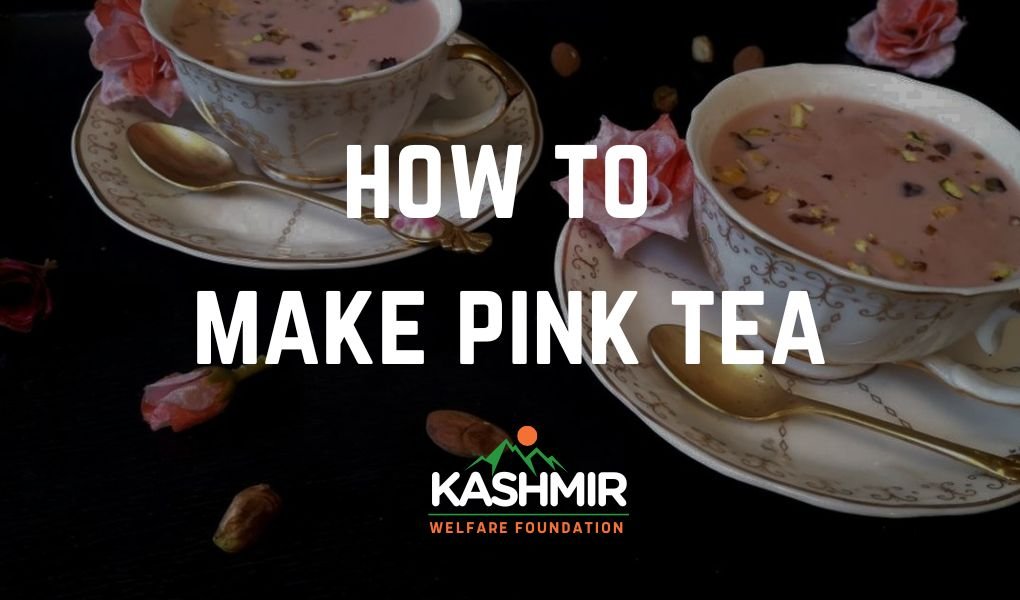
In the heart of Kashmir, where the scent of saffron mingles with mountain air and the whispers of centuries-old stories drift through the valleys, lies a beverage unlike any other — Kashmiri Pink Tea. Known locally as Noon Chai or Gulabi Chai, this fragrant, blush-tinted drink isn’t just tea; it is poetry steeped in tradition, an emblem of togetherness, and a reflection of Kashmir’s soul.
Every sip tells a story — of resilience, warmth, and a love for simple pleasures. Whether shared among family after a long day or offered to guests as a gesture of hospitality, Pink Tea occupies a sacred space in Kashmiri homes and hearts alike.
Today, let us embark on a journey not just to learn how to make it, but to understand the culture, craftsmanship, and compassion that swirl within every cup.
The Heartbeat of Kashmiri Culture
Kashmir, often called Paradise on Earth, has always been a meeting point of art, faith, and flavour. Its cuisine is an extension of its landscape — layered, vibrant, and deeply poetic. Among the jewels of Kashmiri culinary tradition, Pink Tea stands apart.
Unlike ordinary black tea, this beverage is made using Kashmiri green tea leaves and infused with cardamom, cinnamon, cloves, and a hint of saffron — spices that mirror the region’s rich trade history and its ties to the ancient Silk Road. The inclusion of baking soda, a subtle yet essential ingredient, creates the enchanting blush-pink hue that lends the drink its name.
For centuries, Pink Tea has been more than sustenance; it has been a symbol of community. From winter mornings by the hearth to festive gatherings, this warm concoction brings people together — soothing the body and stirring the heart.
💷 Gift Aid adds 25% extra at no cost to you.
A Glimpse Into History
Tea found its way to Kashmir through trade routes that connected Central Asia, Persia, and the Indian subcontinent. But the Kashmiri people, renowned for their artistry and innovation, made it entirely their own.
While black tea was favoured in much of India, Kashmir’s cold climate and Persian influences gave rise to a distinctive preference for salted green tea. Over generations, families refined and reimagined the drink — blending Himalayan green tea with local spices, saffron grown in Pampore fields, and creamy milk.
The practice of adding baking soda likely evolved as an experimental twist by local tea masters. This ingredient alters the tea’s pH, reacting with the milk to yield that romantic pink hue we now associate with Kashmiri hospitality.
By the 19th century, Pink Tea had become a staple across the Valley — a morning ritual, a winter comfort, and a statement of welcome. Even today, visitors to Kashmiri homes are greeted with a steaming cup, accompanied by kulcha or bakarkhani bread, and smiles that speak of warmth despite the region’s biting cold.
Step-by-Step: Crafting the Perfect Cup
Recreating the magic of Pink Tea requires patience, love, and an understanding that this is not a hurried brew — it is an art form passed down through generations.
Step 1: Gather Your Ingredients
Collect your treasures like a spice hunter wandering through a Kashmiri bazaar. You will need:
- 2 tablespoons of Kashmiri green tea leaves
- 2–3 cardamom pods (crushed)
- 1 cinnamon stick
- 2–3 cloves
- A pinch of saffron strands
- 1/4 teaspoon of baking soda
- Sugar or honey (to taste)
- Milk (for creaminess)
- Water
Each ingredient tells a story — saffron symbolises purity and luxury, cardamom adds a breath of freshness, and cinnamon offers warmth reminiscent of Kashmir’s wood-smoked kitchens.
Step 2: Spice It Up
In a sturdy pot, bring water and tea leaves to a gentle boil. Add the spices and allow them to simmer, filling your kitchen with an aroma so comforting it feels like a hug from the Valley itself.
Step 3: Add a Dash of Magic
Here comes the secret — sprinkle in baking soda. Watch the liquid darken, then lighten into a subtle rose hue as you whisk it gently. This alchemy transforms humble ingredients into a masterpiece of flavour and colour.
Step 4: Simmer and Stir
Let it simmer for at least ten minutes, allowing the flavours to weave together. Stir occasionally, as if coaxing the memory of ancient Kashmiri winters into your pot.
Step 5: Sweeten and Serve
Strain the tea, add milk, and let it simmer again until the colour turns a velvety pink. Sweeten to taste and pour into delicate cups. Each swirl of steam carries centuries of Kashmiri tradition.
💷 Gift Aid adds 25% extra at no cost to you.
The Taste: A Symphony of Flavours
Describing the flavour of Pink Tea is like describing the feeling of snowfall on a quiet morning — delicate, complex, and deeply soothing.
At first sip, you’ll taste the mild bitterness of green tea, quickly enveloped by creamy milk and the floral sweetness of saffron. Cinnamon adds depth, cardamom brings brightness, and together they compose a melody of contrasts — warmth and coolness, richness and subtlety.
This isn’t just tea; it’s emotion brewed to perfection.
Tea Poetry: An Ode to Kashmiri Tea
In the land where saffron blooms,
Pink tea dances in fragrant fumes.
With spices bold and flavours bright,
A sip of Kashmiri tea is pure delight.
From mountains high to valleys deep,
In Kashmir’s embrace, pink tea we keep.
Each cup a tale of love and cheer,
A symphony of flavours, oh so dear.
Why Kashmiri People Cherish It
For Kashmiris, Pink Tea is a reflection of their identity. It symbolises hospitality, community, and the sacred art of slowing down.
In winter, when snow blankets the mountains and life quiets to a still hum, families gather around the fire. Pink Tea is poured generously, conversations flow, and laughter echoes against stone walls. It connects generations — elders reminiscing, children learning recipes, and guests feeling instantly at home.
Even in times of hardship, this tea has remained a symbol of resilience and love. It is a ritual that says, “Despite everything, we still share warmth.”
💷 Gift Aid adds 25% extra at no cost to you.
The Fields of Gold: Kashmir’s Saffron Heritage
No discussion of Pink Tea is complete without mentioning saffron — the crimson threads that transform a cup of chai into liquid gold.
The town of Pampore, often called the Saffron Town of Kashmir, produces some of the world’s finest saffron. Harvesting it is a labour of love. Each delicate flower must be plucked by hand during dawn’s cool hours, and the crimson stigmas carefully separated and dried.
A single gram of saffron requires nearly 150 flowers. This rarity adds not just flavour but reverence — every strand represents hours of human effort and devotion.
The people of Pampore have passed down this craft for generations, preserving not just an economic livelihood but a sacred connection to the land. When we sip Kashmiri Pink Tea, we also taste the essence of this heritage — a tribute to patience, artistry, and gratitude.
A Cup That Connects Us All
A Cup of Compassion: How Your Generosity Flows Through Kashmir
In the valleys where Pink Tea warms countless homes, there are families who still lack access to basic healthcare, education, and livelihoods. Yet, within this same community, the spirit of giving runs deep.
When you donate your Sadaqah through the Kashmir Welfare Foundation, you’re not just giving charity — you’re continuing the Kashmiri tradition of hospitality and compassion. Each contribution helps fund healthcare initiatives, education programmes, and community projects that restore hope across Azad Kashmir.
Just as Pink Tea blends diverse ingredients into perfect harmony, your kindness blends with the efforts of others to create a better tomorrow.
💷 Gift Aid adds 25% extra at no cost to you.
Pink Tea and the Power of Community
Tea in Kashmir is never a solitary affair. It’s brewed for company, for shared laughter, for the quiet comfort of togetherness. In villages and towns, it accompanies everything — morning routines, afternoon chats, or celebrations of weddings and Eid.
During Ramadan, families often serve Pink Tea alongside bakarkhani bread during iftar. It soothes the body after fasting and reminds everyone that gratitude is best expressed through sharing.
In urban homes, Pink Tea has even evolved into a contemporary symbol — a bridge between tradition and modern living. Cafés across Srinagar and Muzaffarabad now serve it in glass cups adorned with rose petals, reviving interest among younger generations.
And beyond its flavour, it carries a profound message: every cup poured is an act of giving.
Preserving Kashmir’s Culinary Heritage
Culinary traditions like Pink Tea are delicate threads in the fabric of Kashmiri identity. But modernisation and migration risk unravelling them. Efforts to document, teach, and celebrate these traditions are vital to keeping them alive.
Local cooperatives, women-led home enterprises, and cultural foundations have begun hosting workshops and storytelling events dedicated to traditional foods — from wazwan feasts to the art of brewing Pink Tea.
By supporting such initiatives, we preserve not just recipes but the essence of Kashmiri life — a culture rooted in community, care, and creativity.
Your Support Makes a Difference
As we savour the comfort of Kashmiri Pink Tea from our homes, it’s worth remembering that many families in the region still struggle to meet basic needs. The Kashmir Welfare Foundation works year-round to deliver aid, empower communities, and promote sustainable livelihoods.
When you donate your Sadaqah, you help fund essential services — from healthcare for mothers and children to education for orphans and relief in times of crisis. Each pound you give helps build resilience and dignity across Azad Kashmir.
Let your next cup of tea be a reminder of what true warmth means — not just the heat in your hands, but the compassion in your heart.
💷 Gift Aid adds 25% extra at no cost to you.
Frequently Asked Questions
1. What makes Kashmiri Pink Tea pink?
The pink colour comes from a chemical reaction between baking soda and the tea’s natural compounds when boiled and mixed with milk.
2. Can I make Pink Tea without saffron?
Yes, though saffron adds aroma and authenticity. Without it, the flavour remains rich but slightly less floral.
3. Is Kashmiri Pink Tea the same as Noon Chai?
Yes — Noon Chai literally means “salted tea,” but modern variations often use sugar or honey instead.
4. Is it suitable for vegans?
Absolutely. Replace milk with plant-based alternatives like almond or oat milk.
5. How is Pink Tea connected to Kashmiri culture?
It represents hospitality, togetherness, and resilience. Sharing tea is a deeply symbolic act in Kashmiri society.
💷 Gift Aid adds 25% extra at no cost to you.
