
There are journeys that stay with you forever — not just because of where you go, but because of what you find along the way.
For Sara, a young woman from Manchester, this journey was about rediscovering her roots. Her parents spoke often of Kashmir, the land of rivers and mountains, of songs carried by the wind. But she had never seen it with her own eyes.
This year, she finally did.
Arrival in the Land of Mountains and Memories
The first thing Sara noticed as she arrived in Muzaffarabad was the air — clean, cool, and scented faintly with pine and earth. Her guide, a local named Faisal, smiled as he helped her with her bags.
“Welcome home,” he said.
Those two words captured everything this trip was meant to be. For many in the UK’s Kashmiri diaspora, visiting Azad Kashmir is not just a holiday; it is a homecoming. The land calls them back — to reconnect, to rebuild, and to rediscover what their parents and grandparents always spoke about.
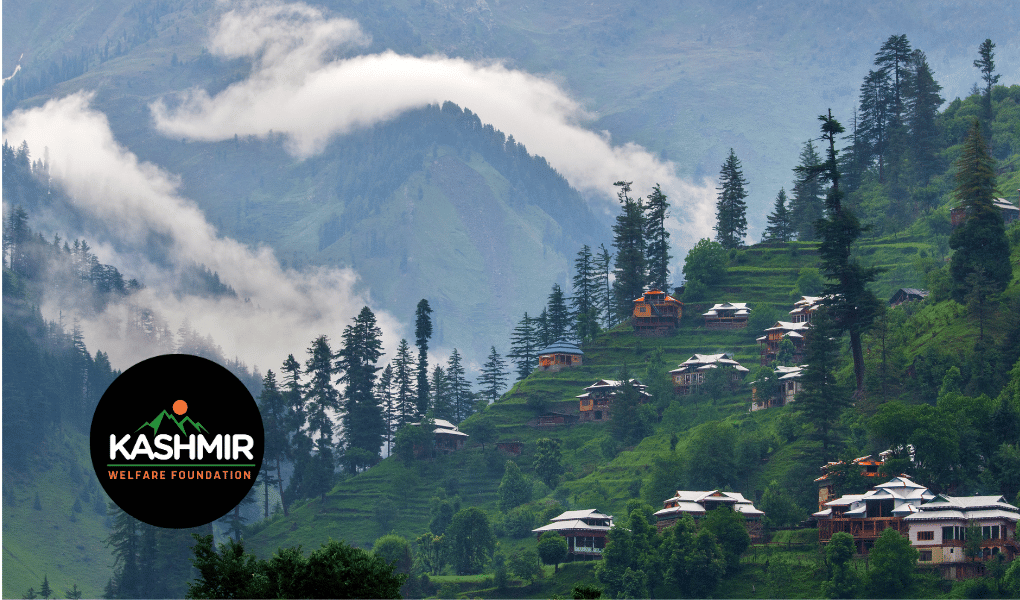
As they drove towards Neelum Valley, the road wound through green hills, with rivers flashing silver in the sunlight. Children waved from the roadside. Small stalls sold apples, walnuts, and honey. The mountains stood silent, like guardians of stories long forgotten.
Majestic Mountain Ranges: Where Heaven Touches Earth
Faisal pointed out the distant snow line. “That’s the Pir Panjal Range,” he said proudly. “And beyond, you can see the edge of the Himalayas.”
The view was staggering. Valleys dipped into deep folds of green, while above them, the mountains rose into the clouds. Each peak seemed to tell a story — of resilience, of beauty, of faith.
In the north, Nanga Parbat loomed in the distance, the ninth-highest mountain in the world. For adventurers, trekkers, and nature lovers, Azad Kashmir is a dreamland. But beyond the beauty lies a lesson — these mountains sustain life. Their rivers feed the valleys, their forests hold the soil, and their silence teaches patience.
Yet climate change and deforestation threaten this delicate balance. This is why initiatives like the Green Kashmir Project under the Kashmir Welfare Foundation are vital. They work to plant trees, protect forest cover, and restore the fragile ecosystems that make this land what it is.
A Symphony of Waterfalls: The Music of the Valley
As they reached Sharda, Sara heard the sound before she saw it — a low rumble that grew louder with every step. Then it appeared: a waterfall cascading down a cliff face, white spray glistening in the sun.
“Chitta Katha Waterfall,” Faisal said. “Locals say it sings to the valley.”
Across Azad Kashmir, waterfalls flow like veins of life — from Leepa to Banjosa, from Neelum to Rawalakot. Each one unique, each one alive with movement. They are more than sights to photograph; they are sources of community life. Many villages depend on their flow for irrigation, electricity, and drinking water.
Sara filled her bottle with the cool water and smiled. “You can taste the purity,” she said.
Tourism, when done with care, can help preserve these wonders. Every visitor who walks these trails contributes to local income — guides, guesthouses, craftspeople, and food vendors all benefit. Through the Empower Lives Campaign, Kashmir Welfare Foundation supports these communities by promoting eco-friendly tourism and training locals to earn a livelihood while protecting their environment.
Echoes of the Past: Kashmir’s Heritage Lives On
Not far from the riverbanks of Neelum stands the ancient Sharda University, now a ruin wrapped in silence. Stone pillars rise from the earth, moss-covered, yet still majestic.
“Over a thousand years ago,” Faisal explained, “this was one of the greatest centres of learning in South Asia. Scholars travelled here to study language, logic, and spirituality.”
Sara touched the cold stone of the ruins. “It’s like touching history,” she whispered.
From Sharda to the Red Fort in Kotli, and from Bagh Fort to the old bazaars of Muzaffarabad, Azad Kashmir carries a rich heritage that still beats quietly beneath its soil. Reviving this heritage through sustainable tourism does more than attract visitors — it restores pride, identity, and purpose to communities who have guarded these places for generations.
Life in the Valleys: Where Tourism Revives Livelihoods
As they travelled deeper into the valley, Sara began to see another side of tourism — one that went beyond sightseeing.
In a small village near Keran, she met Naseem, a widow who ran a homestay. Her income from visitors helped her rebuild her home after floods swept through the area two years ago. “When guests come,” Naseem said, “it brings life back to the village. We share food, stories, and prayers. They leave, but part of them stays here.”
Each guest who visits Azad Kashmir brings more than money. They bring connection. They give local families a reason to stay, to build, to hope. Tourism becomes a bridge — not just between places, but between hearts.
Kashmir Welfare Foundation works with such communities to strengthen these local economies. From supporting craft cooperatives to promoting ethical travel, every project aims to empower families to stand on their feet again.
Seasons of Wonder: Kashmir’s Climate and Changing Rhythms
Azad Kashmir is a land of four distinct seasons. Spring paints the valleys in blossoms. Summer brings cool breezes and green meadows. Autumn covers the hills in gold, while winter wraps everything in white silence.
Each season offers something unique to travellers. But locals know the seasons are changing faster than before. Snow arrives later, rains fall harder, and summers are hotter.
This is where awareness and responsibility come in. Travellers can make a difference by choosing eco-friendly stays, avoiding plastic waste, and supporting local conservation efforts. By protecting the land, we protect the livelihoods of the people who depend on it.
A Journey Beyond Travel: The Call of Home
As Sara stood by the river at sunset, she realised her journey was more than tourism. It was a rediscovery — of belonging, of gratitude, of faith.
She turned to Faisal. “You know,” she said softly, “I used to think Kashmir was just a place on a map. Now I feel it in my heart.”
Faisal smiled. “That’s how it begins,” he said. “When you love this land, you help it live again.”
Azad Kashmir is not just a destination. It’s a heartbeat. A place where every waterfall sings of resilience, every mountain whispers of courage, and every home welcomes you like family.
If you ever long to witness nature’s masterpiece — and to make a difference while doing so — then let your journey begin here.
Support the communities that keep Kashmir’s heritage alive Through the Empower Lives Campaign. You can also give ongoing support through Sadaqah or Regular Giving, ensuring that the mountains, rivers, and people of Kashmir continue to thrive.
Azad Kashmir Tourism FAQs
1. What is the best time to visit Azad Kashmir?
The best time is from April to October, when the valleys bloom and the weather is mild. Winter is also beautiful for those who wish to see snow in places like Leepa, Neelum, and Banjosa.
2. Is Azad Kashmir safe for tourists?
Yes, Azad Kashmir is generally peaceful and welcoming. Local hospitality is unmatched, and security conditions have improved significantly in recent years.
3. How does tourism help local communities?
Tourism provides income to families through guesthouses, guiding, crafts, and food services. It also encourages the preservation of natural and cultural heritage.
4. What should I see in the northern areas of Azad Kashmir?
Top attractions include Neelum Valley, Sharda University ruins, Banjosa Lake, Leepa Valley, and the Red Fort in Kotli. Each site combines stunning scenery with historical depth.
5. How can I make my travel eco-friendly?
Choose local homestays, avoid single-use plastics, respect local customs, and support initiatives like the Green Kashmir Project. Your small actions protect a fragile environment.
