
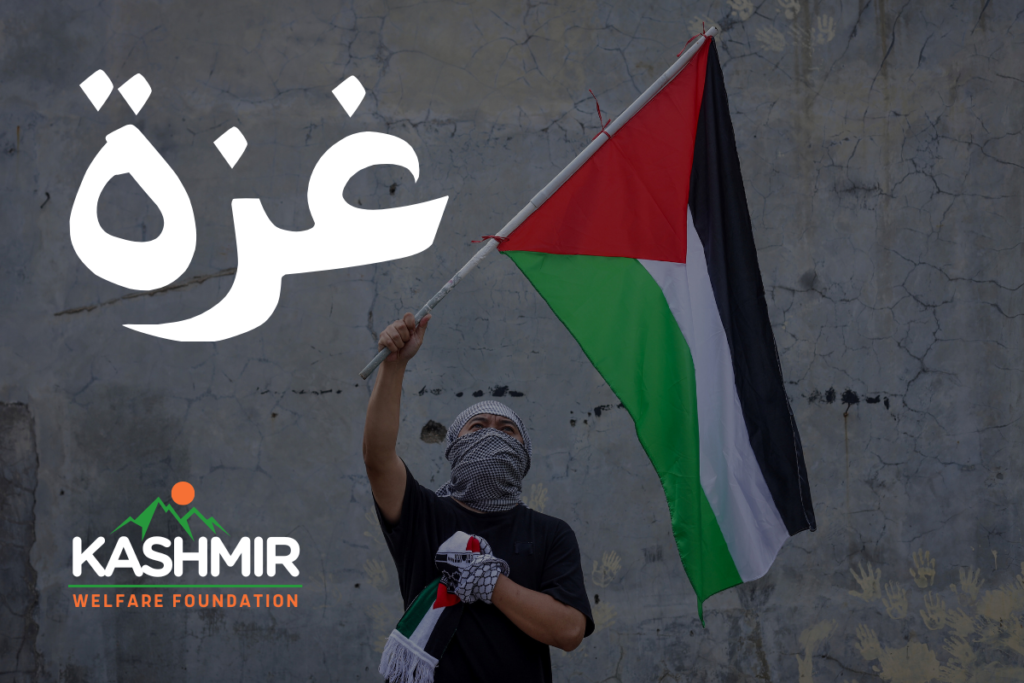
The Cry of a Wounded Land
As the world watches, Gaza endures a reality no one should ever face. Streets once filled with laughter now echo with silence. Homes stand in ruins, families torn apart by the cruelty of conflict. A ceasefire may bring temporary quiet, but the scars of war run deep. The pain stretches beyond the physical—it penetrates hearts, spirits, and faith itself.
For Muslims across the world, Gaza is more than a distant tragedy. It is a mirror reflecting the fragility of human life and the strength of our shared faith. Every shattered home reminds us of the world’s need for mercy, and every orphaned child reminds us of our responsibility as an Ummah.
Why Does Allah Allow Such Suffering?
It is a question that pierces the hearts of believers: Why does Allah allow this to happen? The Prophet Muhammad (peace be upon him) told us,
“When Allah loves a people, He tests them.” (Tirmidhi)
These tests are not punishments; they are lessons in patience, compassion, and remembrance. Through the pain of Gaza, we are reminded that the dunya is temporary, that injustice is never eternal, and that faith must endure even when the world crumbles.
Allah says in the Qur’an:
“Do the people think that they will be left to say, ‘We believe’ and they will not be tested?” (Surah Al-Ankabut 29:2)
The suffering we witness is not without wisdom. Every hardship is a call to awaken our empathy, deepen our reliance on Allah, and remind us of our duty to one another. Gaza’s test is also ours—a test of humanity, compassion, and unity.
Faces Behind the Headlines
Behind every news story are faces—real people with dreams, fears, and faith.
There is Fatima, a widow who lost her husband in the early days of the bombing. With three young children, she now bears the burden of survival alone. Her home may be destroyed, but her spirit remains unbroken. Each morning she rises for Fajr, her whispered duas filling the air with hope: “Ya Allah, protect my children, grant them peace.”
Then there is Ayman, an orphan whose childhood ended too soon. He remembers the day his parents were taken by the war. Now he clings to the memory of his father’s voice reciting Qur’an, the verses that once brought him calm. In his small hands, he carries a pocket-sized Qur’an, his last link to a life of peace.
Stories like Fatima’s and Ayman’s are countless. They remind us that faith can exist even in ashes. When the world forgets them, Allah never does. Their resilience is a living tafsir of sabr—patience through pain.
The Spiritual Void and Our Call to Action
Gaza’s devastation extends beyond rubble and loss—it leaves behind a spiritual emptiness. When people lose everything, they also risk losing hope. Yet, within that emptiness lies our greatest opportunity: to fill it with love, prayer, and solidarity.
For those of us living in safety, the suffering in Gaza is a divine reminder. It calls us to gratitude for our blessings and compels us to use them in service to others. Even if we cannot reach Gaza with our hands, we can reach it with our hearts.
Abdul Basit, a trustee at Kashmir Welfare Foundation, once said:
“When one part of the Ummah bleeds, the rest cannot stay silent. Our silence is a choice—but so is our compassion.”
The Power of Dua – Our Strongest Weapon
In times of despair, dua becomes the believer’s refuge. It is the invisible bridge between pain and peace, between chaos and calm. The Prophet Muhammad (peace be upon him) said:
“Nothing repels destiny except supplication.” (Tirmidhi)
Dua is not weakness—it is power. When we pray for Gaza, we are not merely offering words; we are offering hope. Every dua whispered for the oppressed is a light piercing through the darkness.
Imagine a mother in Gaza, her eyes closed in prayer, whispering for her child’s safety. Now imagine thousands of Muslims across the world raising their hands, echoing her prayer. That is unity. That is strength. That is faith in action.
So tonight, take a moment. Turn to Allah. Whisper a prayer for Gaza:
“Ya Allah, have mercy on the people of Gaza. Grant them strength, protect their families, and heal their wounds. Replace their pain with peace and their fear with faith. Ameen.”
Trials, Faith, and the Wisdom of Allah
Every tragedy carries divine wisdom, even when it is beyond our understanding. Trials cleanse the soul and purify the heart. Allah tests the strong to inspire the weak, and He tests the Ummah to renew our collective purpose.
When we witness suffering, our response defines who we are. Do we turn away? Or do we rise with empathy and prayer?
The Qur’an reminds us:
“Indeed, with hardship comes ease.” (Surah Ash-Sharh 94:6)
Ease will come—not only for Gaza but for all who hold fast to faith. Until that day, our duty is to remain steadfast, to keep praying, and to keep believing that Allah’s justice never fails.
The Ummah United in Compassion
From London to Lahore, Birmingham to Beirut, believers have one heart. When one part aches, the whole body responds. This is the beauty of the Ummah—diverse in language and culture, yet bound by the same faith and compassion.
For UK Muslims especially, Gaza is not far away. Many have family ties, friendships, or simply the shared humanity that binds us all. In our mosques, our homes, and our hearts, we must keep Gaza alive through prayer and remembrance.
Every khutbah, every dua, every act of kindness in their name keeps the flame of faith burning. Unity is our strength. Prayer is our voice. Compassion is our resistance.
Share Your Prayer for Gaza
Even when you feel powerless, your prayer matters. It transcends distance and time. Share your dua with family, teach your children to pray for the oppressed, and remind them that their voices reach the heavens.
Every sincere prayer becomes part of a wave—a wave of mercy, healing, and unity that can transform despair into hope.
Let us be the Ummah that prays together, heals together, and rises together.
FAQs: Faith, Trials and Prayer for Gaza
1. Why does Allah allow suffering in the world?
Allah allows trials to test our faith, build patience, and bring us closer to Him. Through suffering, we learn empathy, gratitude, and the value of compassion.
2. What is the reward for making dua for others?
The Prophet (peace be upon him) said that when a believer prays for another in their absence, an angel responds: “Ameen, and for you the same.”
3. Can our duas really help the people of Gaza?
Yes. Every dua is heard by Allah. When millions pray for the oppressed, it brings spiritual relief, hope, and collective strength.
4. How can we support Gaza if we cannot donate or travel there?
Support through dua, awareness, and compassion. Educate others, share their stories, and pray consistently for peace and justice.
5. What lessons can we learn from Gaza’s suffering?
Gaza teaches us sabr, unity, and faith under pressure. It reminds us that hardship is temporary, but the mercy of Allah is eternal.
Final Reflection
Gaza’s pain is not just their pain—it is ours. The trials of one nation are the test of an entire Ummah. When we raise our hands in dua, we bridge continents and hearts.
So tonight, before you sleep, whisper a prayer for Gaza. For the mothers who grieve, the fathers who protect, the children who dream, and the believers who endure.
May Allah grant them peace, justice, and healing.
May He awaken our hearts to their suffering and our spirits to their hope.
And may our duas never cease until Gaza smiles again.
Ameen.
