You have 0 items in your cart
🕰️ Kashmir Through Time
Journey through centuries of Kashmir’s history — from ancient dynasties and cultural golden ages to the year of partition and beyond. Explore how each era shaped the Kashmiri identity we preserve today.
📜 Before 1947
Before the partition, Kashmir was a land of diverse rulers, thriving culture, and evolving identity. Discover how centuries of history shaped the valley we know today.
Read Kashmir Before 1947⚖️ During 1947
1947 marked Kashmir’s defining crossroads — Dogra rule, British influence, and the hopes of ordinary Kashmiris as their homeland entered a new age of uncertainty and change.
Read Kashmir During 1947🌍 After 1947
The partition reshaped Kashmir’s destiny — dividing families and borders, giving birth to Azad Jammu & Kashmir, and beginning a new era of resilience and identity.
Read Kashmir After 1947Explore the Kashmir History Series
Historical Timeline
Core dates, resistance moments, and how Kashmir entered the global conversation.
Modern Era & Politics
Article 370, Mangla Dam, and Kashmir’s geopolitical evolution.
Society & Diaspora
How Kashmiris abroad kept the cause alive and supported their homeland.
Culture & People
Languages, traditions, values and the identity that defines Kashmir’s people.
Kashmir Culture & History Series
Real stories from Kashmiris across generations — migration, identity, culture, resilience and the history that shaped the Kashmiri people.
Kashmir Flag & Identity
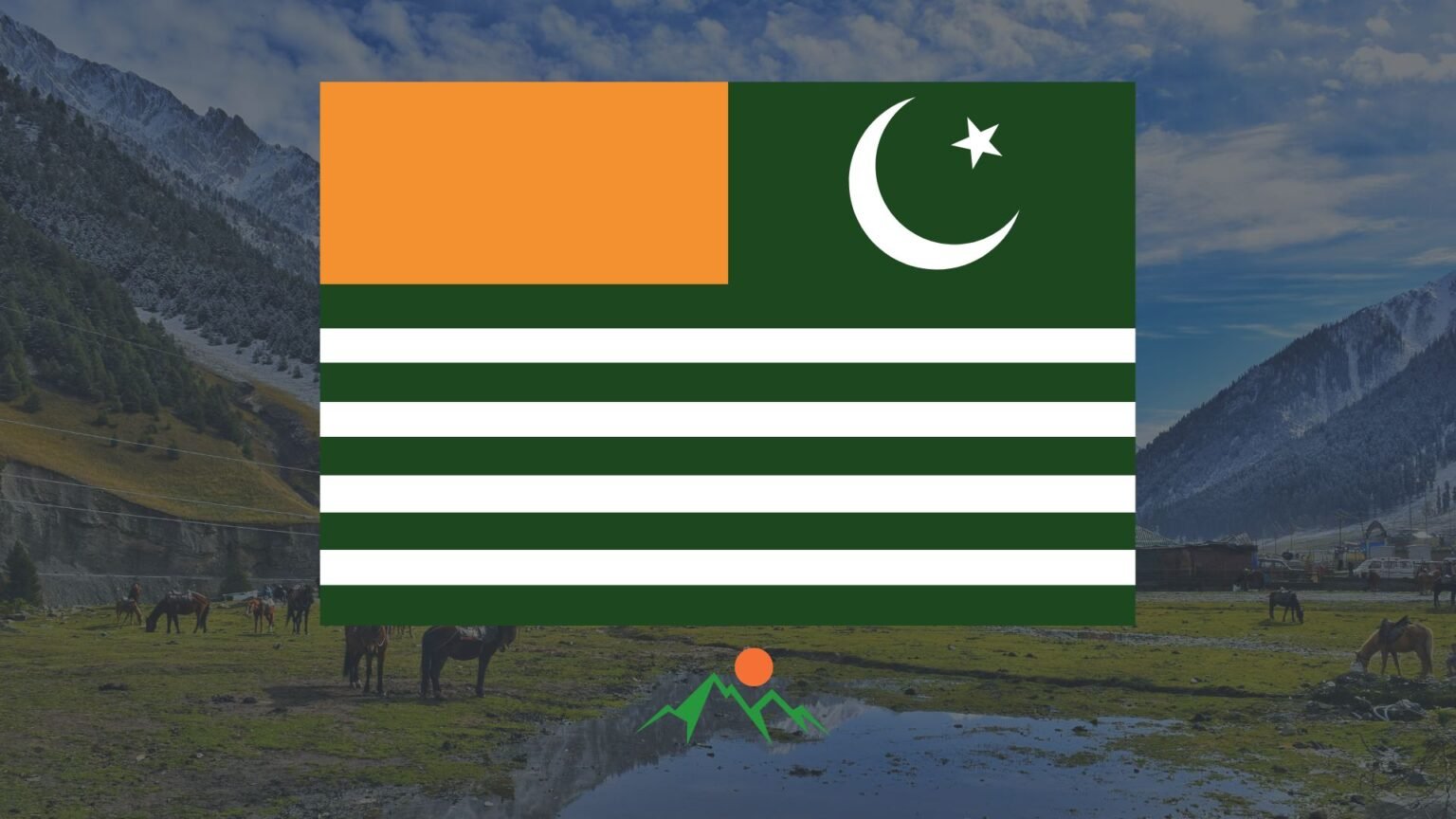
The flag of Azad Kashmir is more than a design — it’s a living symbol of identity, resilience, and unity. Each article explores how it connects Kashmiris across generations and continents.
Read More
Reviving the Kashmiri Identity: A Call to Reclaim Who We Are
Reclaiming Kashmiri identity is preservation in action — a reminder of who we are and what we stand for.
Read More →Read More
The Flag as a Symbol of Resistance and Resilience
The flag of Azad Kashmir stands for defiance and hope — a reminder of the sacrifices made for dignity, faith, and freedom.
Read More →Read More
The Flag of Azad Kashmir: A Symbol of Love, Resilience and Belonging
Its colours tell a story — green for valleys, saffron for sacrifice, and white for harmony, uniting Kashmiris everywhere.
Read More →Read More
The Kashmiri Identity in the UK: Carrying the Flag Abroad
Across the UK, Kashmiris raise their flag with pride — linking ancestral roots to modern identity and belonging.
Read More →Read More
From Kashmir to the UK: The Flag as a Bridge of Belonging
From Mirpur to Manchester, the flag connects hearts across oceans — turning distance into unity and shared pride.
Read More →Read More
Diaspora Children and the Flag: Teaching the Next Generation
Parents across the diaspora teach the flag’s meaning — faith, unity, and resilience — keeping the Kashmiri spirit alive.
Read More →Kashmir History
Explore the historical journey of Kashmir — its struggle for self-determination, cultural awakening, poetry, and the unbroken spirit of its people across generations.
Read More
Understanding the Kashmir Conflict: History, Disputes and the Path Forward
A deep exploration of the origins of the Kashmir conflict and the ongoing struggle for peace and justice.
Read More →Read More
The Kashmir Conflict: History, Self-Determination and the Humanitarian Struggle
Tracing the story of Kashmir’s right to self-determination and the human cost of decades of conflict.
Read More →Read More
Reviving the Kashmiri Identity: A Call to Reclaim Who We Are
A reflection on heritage, unity, and why remembering our past is key to preserving our identity today.
Read More →Read More
Habib Jalib on Kashmir: A Perspective on the Struggle
Through his revolutionary poetry, Habib Jalib gave voice to the silenced — a poetic call for justice in Kashmir.
Read More →Read More
The Poetry of Azad Kashmir
From mountain songs to freedom verses — explore how Kashmiri poetry preserves history and identity.
Read More →Read More
Kashmir’s Black Day: The Silence That Echoes Forever
A remembrance of October 27 — a day that reshaped Kashmir’s destiny and continues to define its pain.
Read More →Kashmir History – Frequently Asked Questions
1. What is the historical background of Kashmir’s political struggle?
Kashmir’s struggle began after colonial rule ended when its people sought self-determination. Promises of a fair resolution were ignored, leaving the region divided. Generations since have carried a deep desire for unity, dignity, and the right to determine their own destiny free from domination.
2. Why do Kashmiris mark October 27 as a day of remembrance?
October 27 is remembered as the day foreign troops entered Kashmir in 1947. It marks the beginning of decades of occupation, displacement, and loss. For Kashmiris, it symbolizes both sorrow and resilience—a day of mourning for rights denied and promises unfulfilled.
3. How did colonial decisions influence Kashmir’s fate?
Colonial boundaries ignored local demographics and aspirations. Kashmir’s Muslim-majority expected independence or alignment with culturally similar regions, but hurried decisions left it divided. The outcome created lasting instability, transforming a peaceful valley into a symbol of injustice and unresolved identity.
4. What role did faith and identity play in Kashmir’s history?
Faith shaped Kashmir’s conscience and resistance. Its people felt spiritually tied to broader Muslim lands and sought justice rooted in divine law. Their political and social movements emerged from a desire to live honourably, guided by principles of faith, equality, and human dignity.
5. Why is self-determination important to the Kashmiri people?
Self-determination is about dignity and control of one’s future. Kashmiris view it as a sacred right long recognised but never implemented. It embodies justice, freedom, and accountability—allowing the people to shape governance, protect culture, and secure peace built upon their own consent.
6. What historical events led to the division of Kashmir?
Division followed a disputed decision by the ruling monarch in 1947. Conflict erupted and ceasefire lines were drawn by force rather than by public will. Families, fields, and villages were split apart, creating decades of separation, mistrust, and unending calls for reunification.
7. How has culture helped preserve Kashmiri identity?
Culture became resistance itself. Through language, poetry, embroidery, and song, Kashmiris safeguarded their memory and heritage. Every craft or verse retells their story—reminding new generations that even under pressure, faith, art, and dignity keep a nation’s soul alive.
8. What impact has conflict had on Kashmiri families?
Conflict separated loved ones across guarded borders. Many lost homes or breadwinners, facing poverty and trauma. Yet despite heartbreak, families cling to faith and solidarity. Their perseverance reflects an enduring hope that justice will prevail and life will one day return to normal.
9. Why do Kashmiris continue to raise their voices internationally?
Kashmiris speak out globally because pledges of justice remain unfulfilled. By sharing testimonies abroad, they seek empathy and awareness, reminding the world that silence sustains oppression. Their appeal is moral, urging humanity to acknowledge truth and support peaceful, fair solutions.
10. What is the role of education in Kashmir’s struggle?
Education preserves truth and empowers dialogue. Teachers, historians, and writers document events with integrity, ensuring future generations understand their heritage. Knowledge equips Kashmiris to engage the world intelligently, transform pain into progress, and defend their narrative through facts and scholarship.
11. How do women contribute to Kashmir’s story?
Women stand at the heart of endurance. They rebuild homes, raise orphaned children, and lead community relief. Through poetry and protest alike, they honour the fallen while shaping resilience. Their strength represents the conscience of Kashmir’s continued journey toward justice and healing.
12. Why is poetry such a powerful part of Kashmiri resistance?
Poetry transforms suffering into timeless art. Through verse, Kashmir’s pain and faith echo beyond borders. It humanises the struggle, giving voice to emotions that statistics cannot. Poets preserve memory, celebrate courage, and remind listeners that even in silence, truth continues to speak.
13. How has the diaspora kept the Kashmir cause alive?
Kashmiris abroad use freedom of speech to share stories, hold cultural events, and support relief. Their activism educates global audiences and sustains heritage. Despite distance, they remain deeply connected, ensuring the call for justice continues wherever their community resides.
14. What are the hopes of ordinary Kashmiris for the future?
Ordinary people dream of peace grounded in honour and faith. They wish to live without fear, with open borders and reunited families. Their greatest hope is justice—built on compassion and fairness—so that future generations inherit freedom instead of conflict.
15. How can global citizens support justice for Kashmir?
Awareness is the first step: read credible accounts, amplify Kashmiri voices, and support humanitarian work. Advocating fairness, denouncing violence, and valuing human dignity help create pressure for change. True solidarity means standing for truth wherever oppression denies it.