
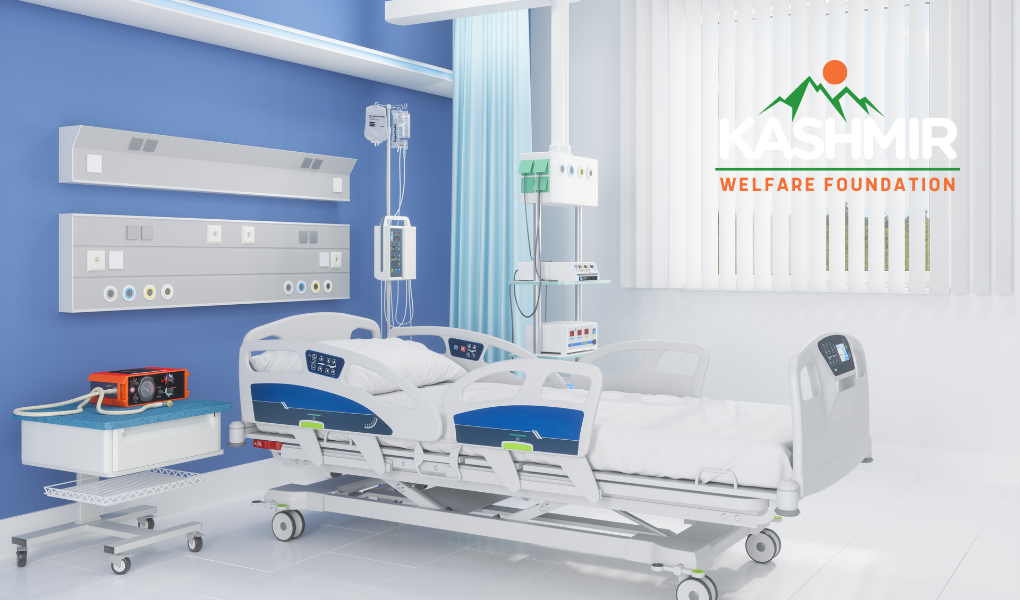
The Struggle for Healthcare in Azad Kashmir
Azad Kashmir is known around the world for its natural beauty, but for the people who live there, daily life is defined by more than the valleys and rivers. It is also defined by their struggle for access to healthcare. Unlike major Pakistani cities such as Lahore or Karachi, Azad Kashmir does not enjoy a network of modern hospitals on every corner. Instead, it is a region where families often travel hours for basic check-ups, where mothers walk miles to get their children vaccinated, and where many rely on charity-run clinics for survival.
Despite these challenges, the people of Azad Kashmir are resilient. Families continue to survive, communities continue to support each other, and with the help of UK donors, lives are being transformed through humanitarian aid.
Hospitals and Medical Facilities in Azad Kashmir
Although the healthcare system in Azad Kashmir is fragile, it is not without hope. Several hospitals and charity projects are making a real difference:
- Azad Kashmir Medical College Hospital (Muzaffarabad) – This is considered a lifeline for the region, offering emergency care, surgeries, and specialised treatments. Without it, many in the capital region would be left without any reliable care.
- Midlands Doctors Medical Complex – A charity hospital in Muzaffarabad that focuses on malnutrition, maternal care, and general health services. It is one of the best examples of how diaspora-led projects can transform health in Kashmir.
- Bangrilla Community Hospital – Renowned for dialysis treatment, as well as dental and eye check-ups. Families who cannot afford expensive care in Pakistan’s big cities depend on this hospital for free or subsidised treatment.
Beyond these, there are primary healthcare centres, mobile hospital units, and small dispensaries scattered across the valleys. These smaller facilities, often supported by donations, ensure that even isolated villages are not completely cut off from medical aid.
Health Challenges Facing the People of Azad Kashmir
Despite progress, Azad Kashmir still faces serious challenges:
- Communicable Diseases – Tuberculosis, hepatitis, and malaria continue to affect rural communities. Lack of awareness and preventive measures makes these diseases spread faster.
- Maternal and Child Health – Many women in remote villages give birth at home without medical supervision. A lack of midwives, coupled with unsafe conditions, puts mothers and infants at risk.
- Access to Specialists – Dialysis, cardiac care, and cancer treatment are often unavailable locally. Families must travel to Islamabad or Lahore, which is impossible for widows and low-income families.
- Emergency Preparedness – Earthquakes and floods in Azad Kashmir have shown the region’s fragility. Without mobile hospitals and emergency medical camps, thousands remain at risk when disaster strikes.
A Widow’s Story: Why Medical Aid Matters
We come across many cases on a regular basis, and we always try to share them with our donors through videos, social media posts, and blogs. One such case is that of Shazia, a widow from Bhimber. Her husband sadly passed away from kidney failure because the nearest dialysis facilities were hours away, and the cost of private treatment was simply beyond what her family could afford.
For women like Shazia, free healthcare at charity-supported hospitals such as Bangrilla is not a luxury, it is a matter of survival. She now relies on the generosity of donors who make it possible to run medical camps and community hospitals, ensuring that families like hers are not left without hope.
These are not isolated stories. Every widow, every orphan, and every struggling father trying to find treatment for his child shows us why healthcare charity in Kashmir is not an option—it is a lifeline.
How Kashmir Welfare Foundation Is Making a Difference
The Kashmir Welfare Foundation is committed to improving health access in Azad Kashmir through a wide range of projects:
- Mobile Hospital Units – Bringing doctors, medicines, and emergency services directly to remote valleys.
- Free Medical Camps – Offering general check-ups, free medicines, and referrals for specialist care.
- Patient Sponsorship – Covering costs for those who cannot afford treatments such as dialysis, surgery, or long-term care.
- Period Poverty and Hygiene Support – Providing dignity and health support for women and girls who often go without.
- Wheelchair Campaigns – Supporting the disabled and elderly with mobility aids so they can access care.
When you donate your Zakat or Sadaqah Jariya, you are directly funding these vital services. Regular giving ensures that when emergencies strike, Kashmir Welfare Foundation does not waste time raising funds—we respond immediately.
Why UK Donors Are Critical for Kashmir’s Health
The link between the Kashmiri diaspora in the UK and families in Azad Kashmir is unique. For many British Pakistanis, their parents or grandparents migrated from these very valleys. Donating to healthcare in Kashmir is not just charity, it is giving back home.
Every donation, whether small or large, is a way of saying: “We have not forgotten you.” It provides widows with medicine, children with vaccinations, and patients with life-saving treatments.
Kashmir Medical FAQs
1. What are the main healthcare challenges in Azad Kashmir?
Azad Kashmir struggles with limited hospitals, poor infrastructure, and lack of specialists. Diseases like tuberculosis, malaria, and hepatitis are common.
2. Do charity hospitals really make a difference?
Yes. Hospitals like Midlands Doctors and Bangrilla Community Hospital provide free or low-cost care that poor families would otherwise never access. They are both independent organisations, so feel free to check out their websites for more details.
3. How can my Zakat or Sadaqah help healthcare in Kashmir?
Your Zakat and Sadaqah fund medical camps, mobile hospitals, and patient sponsorships. They directly save lives.
4. Why should UK donors focus on healthcare in Kashmir?
UK donors have deep family and cultural ties to Kashmir. Supporting healthcare is a way to give back to their homeland and uplift their people.
5. Can I support long-term health projects, not just emergency relief?
Yes. Kashmir Welfare Foundation runs regular giving programmes that sustain hospitals, provide equipment, and ensure year-round healthcare.
