You have 0 items in your cart
❮
❯
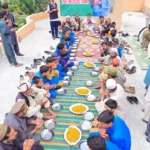
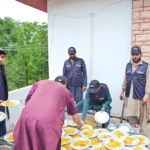
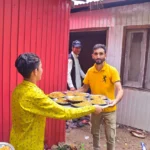
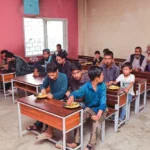
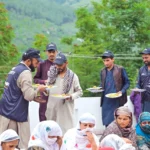
Fidya 2027 – Pay Your Fidya and Feed the Hungry
Ramadan is one of the most blessed times of the year. It is a month of worship, reflection, patience and spiritual growth. Across the world, millions of Muslims fast from dawn until sunset, seeking the mercy of Allah and striving to strengthen their relationship with Him.
Fasting during Ramadan is one of the Five Pillars of Islam and holds immense significance in the life of every Muslim. It teaches self-discipline, gratitude and compassion for those who struggle with hunger every day.
Yet Islam is also a religion of mercy.
Fulfil Your Fidya Obligation and Support Families in Need
Allah does not place a burden upon a person that they are unable to bear. While fasting is obligatory for those who are physically able, there are circumstances where fasting becomes impossible. Some people suffer from chronic illness. Others reach an age where fasting would cause genuine hardship. Some live with permanent medical conditions that make fasting unsafe.
For these individuals, Islam provides an alternative through Fidya.
Fidya allows Muslims who are permanently unable to fast to fulfil their religious obligation by feeding those in need. It transforms an inability into an opportunity for compassion, ensuring that vulnerable people benefit from our generosity while we continue to fulfil our duties to Allah.
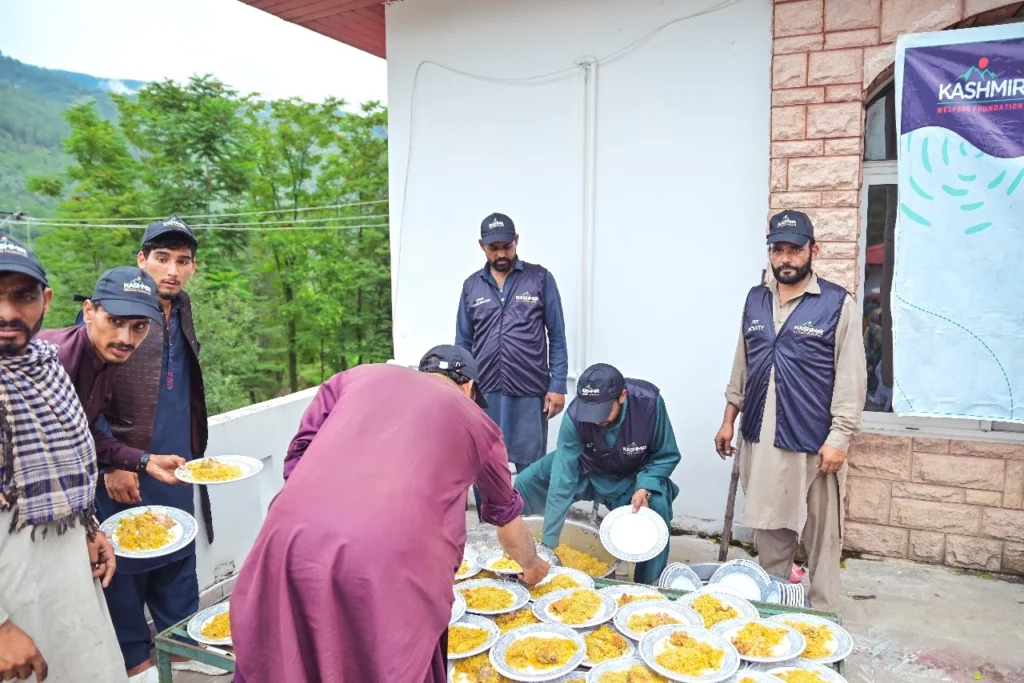
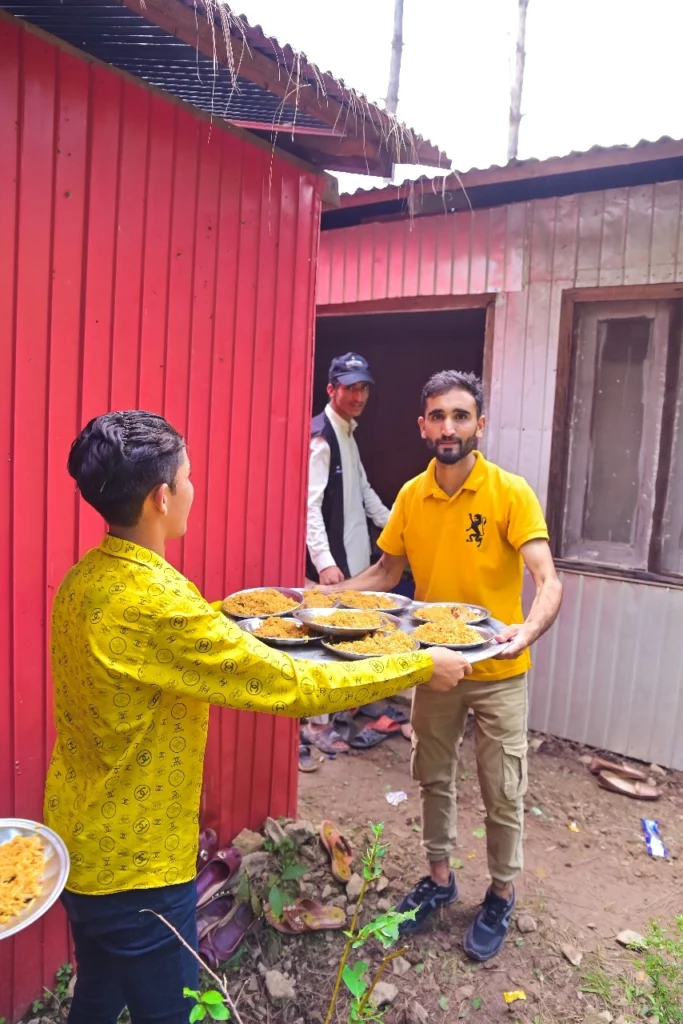
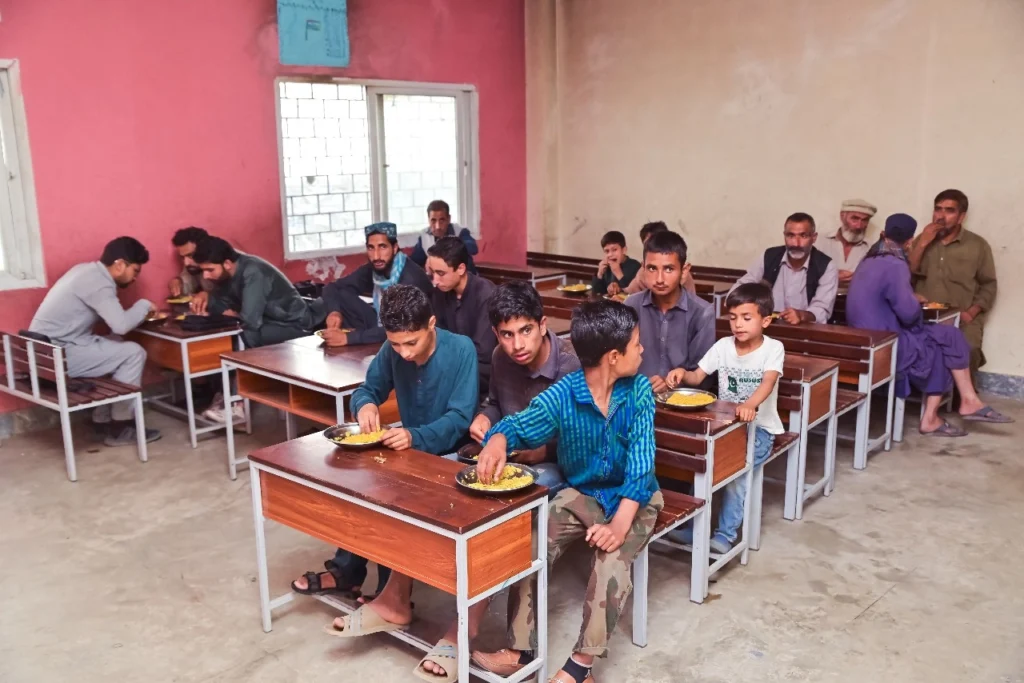
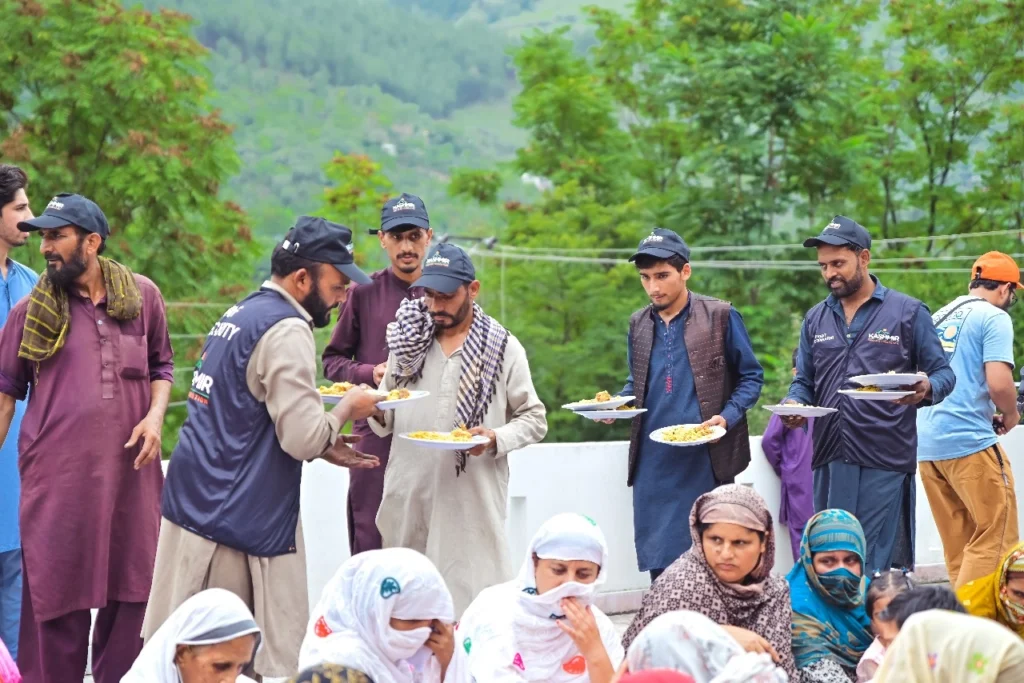
When you pay Fidya through Kashmir Welfare Foundation, your donation helps provide food and support to vulnerable families across Azad Kashmir. While you fulfil an important religious responsibility, struggling families receive meals they may otherwise be unable to afford.
What Is Fidya?
Fidya is a charitable payment made by Muslims who are unable to fast during Ramadan due to a long-term or permanent condition and who have no realistic prospect of making up those fasts in the future.
The purpose of Fidya is simple.
If a person cannot fast because of circumstances beyond their control, they can compensate by feeding a person in need for each fast that they miss.
This reflects the mercy and practicality of Islam. Rather than excluding those who cannot fast, Allah provides a means for them to remain connected to the spirit of Ramadan through charity and compassion.
Fidya is not a punishment.
It is an act of worship.
It allows a Muslim who cannot fast to continue participating in the blessings of Ramadan by helping those who may be struggling with poverty, food insecurity and hardship.
For many people, Fidya becomes a means of supporting some of the most vulnerable members of society while fulfilling an important religious duty.
The Mercy Behind Fidya
One of the most beautiful aspects of Islam is the balance between devotion and compassion.
Allah understands every person’s circumstances.
He knows when illness prevents fasting. He knows when old age makes fasting difficult. He knows when a person genuinely lacks the physical ability to complete the fast.
Fidya demonstrates that Islam is not intended to create unnecessary hardship.
Instead, it recognises that every believer faces different challenges in life.
Some Muslims are able to fast all thirty days of Ramadan.
Others may desperately wish to fast but are physically unable to do so.
Through Fidya, Allah allows these individuals to continue earning reward while helping those who need support the most.
This transforms a missed fast into an act of generosity.
It turns personal hardship into an opportunity to benefit another person.
It ensures that Ramadan remains a month of worship, kindness and social responsibility for everyone.
Who Needs to Pay Fidya?
Fidya generally applies to Muslims who are permanently unable to fast and are unlikely to regain the ability to make up the missed fasts at a later date.
This commonly includes elderly individuals whose health has deteriorated with age, as well as those living with long-term medical conditions that make fasting unsafe.
Many people who pay Fidya feel a sense of sadness at being unable to participate fully in Ramadan through fasting. However, Fidya provides an alternative means of worship that allows them to remain connected to the spirit and rewards of the month.
By feeding the hungry, they continue to engage in an act beloved to Allah while supporting vulnerable communities.
How Much Is Fidya in the UK?
The amount of Fidya is based upon the cost of feeding a person for each missed fast.
For Ramadan 2027, many UK Islamic organisations recommend a Fidya amount of approximately £5 per missed fast.
This means:
- £5 for one missed fast
- £50 for ten missed fasts
- £150 for an entire month of missed fasting
The exact amount may vary depending on local guidance and food costs, but the principle remains the same.
Each payment helps provide food to those who need it most.
While the amount may appear small, the impact can be significant for families struggling to put food on the table.
How Your Fidya Helps Families in Azad Kashmir
Across Azad Kashmir, many families continue to face financial hardship.
Remote communities often experience limited employment opportunities, rising living costs and restricted access to support services. In mountainous regions, poverty can be compounded by isolation, making it even harder for families to secure consistent access to food.
For vulnerable households, every meal matters.
Parents frequently make sacrifices to ensure their children can eat. Some families reduce meal sizes. Others skip meals altogether so that younger family members have enough food.
Your Fidya donation helps relieve this hardship.
Through Kashmir Welfare Foundation, Fidya contributions help provide food assistance to vulnerable families, widows, orphans, elderly residents and those facing genuine financial difficulties.
What may seem like a modest donation in the UK can make a meaningful difference to a family struggling with hunger.
Every Fidya payment represents more than food.
It represents dignity.
It represents compassion.
It represents the belief that no one should be forgotten.
Feeding the Hungry Is One of the Greatest Acts of Charity
Throughout Islamic teachings, feeding those in need is repeatedly emphasised as a noble act.
Food is one of the most basic necessities of life.
When a person is hungry, everything becomes more difficult. Physical health suffers. Mental wellbeing declines. Families experience stress and uncertainty.
Providing food brings immediate relief. It removes a burden from vulnerable households and allows families to focus on other aspects of their lives.
This is why Fidya carries such significance. Your donation does not simply fulfil a religious obligation.
It provides practical support that can have an immediate impact on someone else’s life.
Every meal distributed is a reminder that compassion remains at the heart of our faith.
Fidya and Kaffarah: Understanding the Difference
Fidya and Kaffarah are often mentioned together during Ramadan, but they are not the same.
Fidya applies to those who are genuinely unable to fast due to long-term illness, old age or a permanent condition that prevents them from fasting safely. In these situations, Islam provides a compassionate alternative. Rather than making up the missed fasts, the individual can fulfil their obligation by feeding those in need through Fidya.
Kaffarah, on the other hand, applies in very different circumstances. It is associated with intentionally breaking a fast without a valid Islamic reason and carries a much greater requirement.
Understanding this distinction is important because Fidya is not a penalty. It is a concession granted by Allah’s mercy to those who are physically unable to fast.
Many elderly Muslims and those living with long-term health conditions worry that they are missing out on the blessings of Ramadan. Fidya reminds us that Allah rewards sincerity, intention and effort. Even when fasting is not possible, the opportunity to worship, give charity and support others remains open.
Why Paying Fidya Matters
For many people, Fidya can feel like a simple payment made at the end of Ramadan.
In reality, it represents something much deeper.
It is an acknowledgement of Allah’s mercy. It is recognition that every blessing we enjoy comes from Him. It is a reminder that even when we are unable to perform one act of worship, there are other ways to draw closer to our Creator.
By paying Fidya, you are helping fulfil a religious obligation while simultaneously supporting vulnerable people who may be facing challenges far greater than your own.
Some families worry about how they will afford their next meal.
Others struggle to provide enough food for their children.
Many elderly people live alone with limited resources and little support.
Your Fidya helps ease these burdens.
It transforms a missed fast into an opportunity to feed the hungry, support vulnerable households and spread kindness throughout the community.
Ramadan is not only about abstaining from food and drink. It is about strengthening our connection with Allah through acts of compassion, generosity and service to others.
Fidya allows this spirit of Ramadan to continue, even for those who cannot fast themselves.
The Reward of Feeding the Hungry
One of the most powerful themes found throughout Islam is caring for those who are struggling.
The Prophet ﷺ repeatedly encouraged believers to support the poor, feed the hungry and show compassion to those facing hardship.
Food is one of the most basic human needs.
When someone lacks food, every aspect of life becomes more difficult. Parents worry about their children. Elderly individuals suffer in silence. Families make impossible choices between different necessities.
A meal may seem small to the person giving it. To the person receiving it, it can mean everything. This is why feeding the hungry carries such immense value. When you pay Fidya, you are not simply transferring money.
You are helping provide relief. You are helping restore dignity.
You are helping a family experience comfort during difficult circumstances.
The beauty of Fidya is that it combines worship with compassion. While fulfilling an obligation to Allah, you are simultaneously helping another human being in a meaningful and practical way.
Few acts achieve both goals so directly.
Turning Missed Fasts into Lasting Impact
Every Ramadan, thousands of Muslims across the UK are unable to fast because of genuine health conditions. Some have spent years fasting faithfully before illness changed their circumstances. Others struggle emotionally because they miss the routines and spiritual connection that fasting provides.
Fidya offers a way to remain connected to the essence of Ramadan. Every missed fast becomes an opportunity to support someone else. Every Fidya donation becomes a source of food for a vulnerable person. Every act of giving becomes a reminder that worship takes many forms.
The impact extends far beyond a single meal.
For struggling families, food support can reduce financial pressure and provide reassurance during difficult times. For donors, Fidya provides peace of mind, knowing they have fulfilled their responsibility while helping others. This creates a powerful cycle of generosity where one person’s hardship becomes another person’s relief.
Transparency and Trust
At Kashmir Welfare Foundation, we understand that donors want confidence that their Fidya is reaching those who need it most.
That is why we work closely with trusted teams across Azad Kashmir to identify vulnerable families and communities experiencing genuine hardship.
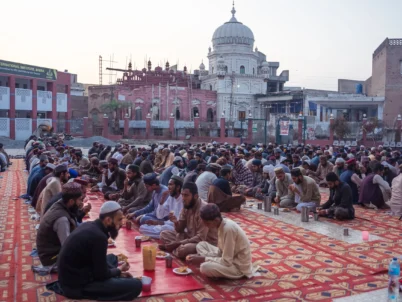
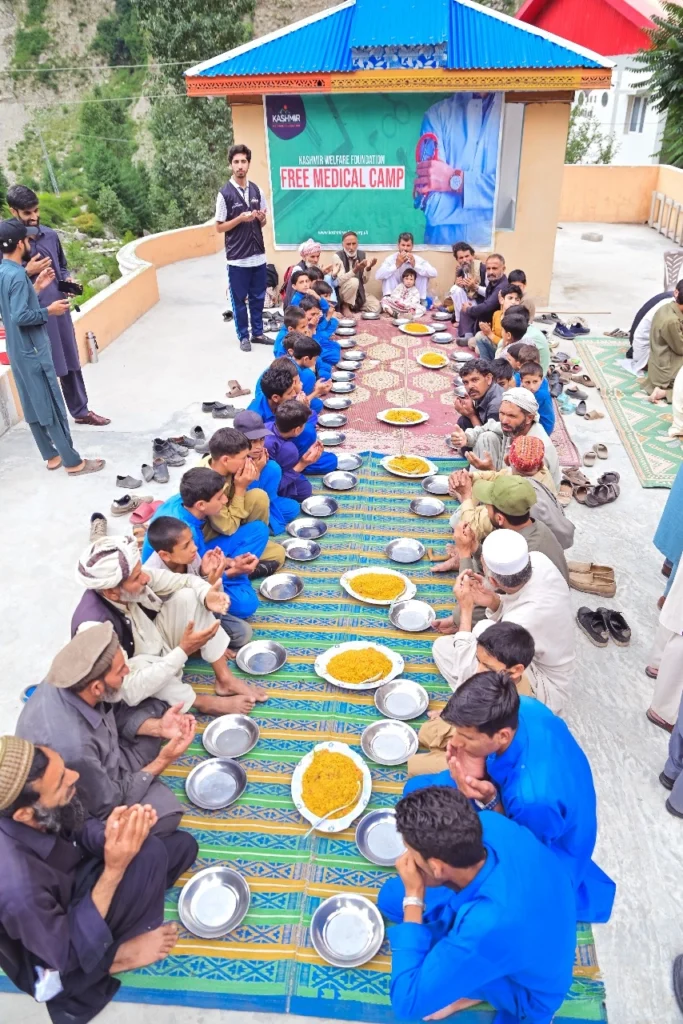
Food distributions are planned carefully and delivered with dignity and respect. Support is prioritised for vulnerable households, including widows, orphans, elderly individuals and families facing financial difficulties. Throughout Ramadan and beyond, updates are shared through photos, videos and project reports wherever possible.
We believe donors should be able to see the impact of their generosity and understand how their contributions are helping change lives.
Transparency is not simply good practice. It is part of the trust that exists between donors, beneficiaries and the charity responsible for delivering support.
Why Choose Kashmir Welfare Foundation for Your Fidya?
Kashmir Welfare Foundation focuses exclusively on supporting communities throughout Azad Kashmir.
This local focus allows us to understand the challenges facing families and direct support to areas where it can have the greatest impact.
From food assistance and medical camps to water projects, education initiatives and income generation programmes, our work is centred on helping communities overcome hardship and build a brighter future.
When you pay your Fidya through Kashmir Welfare Foundation, you are helping vulnerable families access food while supporting a charity that understands the needs of the communities it serves.
Your donation remains rooted in compassion, accountability and meaningful impact.
Together, we can help ensure that no family is left facing hunger alone.
Pay Your Fidya Today
If you are unable to fast due to old age, chronic illness or another permanent condition, Fidya provides a compassionate way to fulfil your obligation while helping those in need.
A small payment can provide food for vulnerable families. A missed fast can become a source of comfort for someone struggling with hunger. A simple act of giving can carry rewards that extend far beyond Ramadan itself.
Pay your Fidya today and help feed the hungry across Azad Kashmir.
Fulfil your obligation. Support vulnerable families. Share the blessings of Ramadan with those who need them most.
And turn every missed fast into an act of compassion that makes a real difference.