You have 0 items in your cart
Beyond the Beauty: The Hidden Struggles of Azad Kashmir
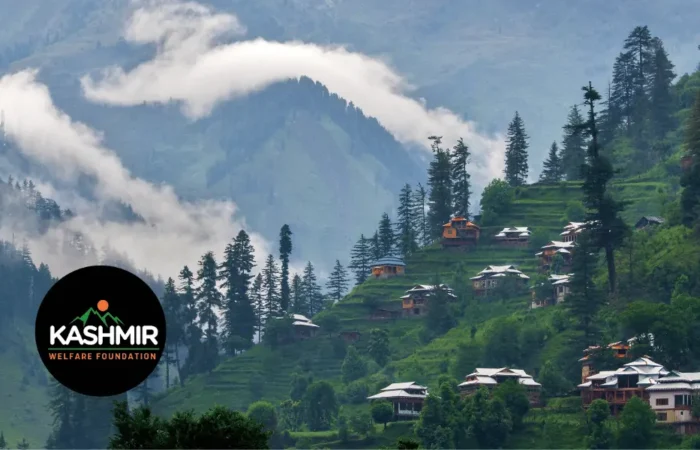
When people hear the name Azad Jammu and Kashmir, their minds wander to emerald valleys, snow-capped peaks, and rivers winding through villages. But behind this natural beauty lies a harder truth.
Families in Azad Kashmir live with limited opportunities, relying on subsistence farming, small trades, or irregular labour to survive. Widows struggle to feed their children. Orphans grow up without security. Youth with talent and dreams often see no path forward.
For the diaspora in the UK, this story is personal. These are the hills and mountains our parents left behind, the villages we hear about in family stories, and the land our identity is tied to. Supporting Azad Kashmir is more than charity. It is an act of loyalty, dignity, and justice.
And perhaps the most powerful way to support our people back home is to help them earn a living.
Agriculture: The Backbone That Still Bends Under Pressure
Agriculture employs most of Azad Kashmir’s people, but many farmers still rely on traditional tools and techniques. Terraced fields carved into mountainsides yield wheat, maize, and rice, yet climate change, erratic rainfall, and lack of irrigation make farming unpredictable.
A widow may work a small plot of land, but without proper seeds, fertilisers, or access to markets, her harvest feeds only her family for part of the year. If she had the right resources, she could grow enough to sell and secure her children’s future.
This is where income generation projects step in, turning survival farming into sustainable livelihoods.
Tourism: A Sleeping Giant for the Kashmiri Economy
Azad Kashmir is rich in natural beauty and history. Domestic tourists visit Neelum Valley, Rawalakot, and Muzaffarabad. But the infrastructure is underdeveloped. Better roads, hotels, and training could make tourism a major source of income.
For young people, this could mean jobs in hospitality, guiding, or small businesses. For families, it could mean stalls, guesthouses, or local crafts sold to visitors. Donor investment in training and micro-businesses can unlock this potential.
Hydropower and Energy: The Rivers of Opportunity
The rivers of Azad Kashmir roar with potential. Hydropower could supply energy not only to local communities but to industries and businesses across Pakistan. Yet many projects remain underdeveloped.
Reliable electricity means more than just lights. It means schools with working technology, hospitals with reliable equipment, and businesses that can expand. It means families no longer losing income to power cuts.
Barriers: Why Progress is Slow
For all its potential, Azad Kashmir struggles against heavy obstacles:
- Political instability discourages long-term investment.
- Limited market access keeps farmers and traders cut off.
- Weak infrastructure slows transport, communication, and trade.
- Regulatory hurdles frustrate entrepreneurs.
- Skills shortages mean too many young people remain unemployed.
These challenges keep families in cycles of poverty. A young orphan drops out of school to work as a labourer. A widow sells her jewellery to buy food. A farmer’s crop rots because there’s no road to market.
Income Generation: Dignity, Not Dependency
While governments debate policies, families cannot wait. That is why Kashmir Welfare Foundation’s Income Generation Programme is so vital. It provides families with the tools, resources, and training to earn their own living — creating dignity instead of dependency.
💠 £60 – Sewing Machine
Give a widow or struggling mother a sewing machine, helping her earn with dignity and feed her children.
💠 £100 – DIY Tools
Equip a skilled worker with tools to build, repair, and create a livelihood.
💠 £450 – Food Stall
Help a family start a fruit, veg, or hot snacks stall, creating daily income.
💠 £800 – Karyana Store
Provide a family with a small shop, ensuring stability for generations.
💠 £2,500 – Rickshaw
Donate a rickshaw or loader, empowering a family with reliable transport income.
These are not handouts. They are lifelines. Each gift is Sadaqah Jariyah, a form of ongoing charity that continues to benefit both the family and the donor long after the donation is made.
The Prophet Muhammad ﷺ said:
“It is better for a person to take a rope, carry a bundle of wood on his back, and sell it, rather than resort to begging from others, regardless of whether they give him or not.” (Sahih Bukhari)
By donating, you are implementing this prophetic teaching — lifting people from dependence to independence.
👉 Donate now to the Income Generation Project and give a family dignity through self-reliance.
A Future Built on Hope and Hard Work
If Azad Kashmir can harness its strengths — agriculture, tourism, energy, and entrepreneurship — it has the potential to thrive. But until then, families cannot wait for governments and policies. They need action today.
Your Zakat, your Sadaqah, your regular giving can transform their tomorrow. One sewing machine can keep a widow’s children in school. One rickshaw can feed an entire household for years. One shop can build stability for a generation.
The Diaspora’s Pledge
For those in the UK, helping Azad Kashmir is not just philanthropy. It is about giving back to the soil of our ancestors. Every donation is a bridge between our lives here and the struggles of families there. It is a way to honour parents, protect widows, and provide for orphans.
👉 Be part of this transformation. Give today through theIncome Generation Project, or through Zakat, Sadaqah, or Regular Giving.
💷 Gift Aid adds 25% extra at no cost to you.
FAQs
1. Why is income generation so important in Azad Kashmir?
Because it breaks dependency. Families earn their own living and build dignity, rather than surviving on short-term aid.
2. How does a sewing machine or rickshaw change a family’s life?
A sewing machine allows a widow to earn money daily. A rickshaw provides steady transport income. These are permanent solutions, not temporary fixes.
3. Is this Sadaqah Jariyah?
Yes. Every time a sewing machine stitches clothes or a rickshaw carries passengers, you receive ongoing reward.
4. Can I give Zakat to income generation projects?
Yes, your Zakat can directly support widows, orphans, and struggling families through income generation, fulfilling their essential needs.
5. How much difference can a small donation make?
£60 is enough for a widow to earn her own living. £100 equips a skilled worker. Even modest donations have life-changing impact.
6. Why should UK donors focus on Azad Kashmir?
Because this is home. Supporting families there honours our roots, strengthens our identity, and uplifts those most vulnerable in our homeland.
[…] Economic Development in Azad Kashmir: An Analysis of Current Economic Trends and Future Potential for Growth in the RegionAn in-depth analysis of Azad Kashmir’s economic landscape, focusing on agriculture, infrastructure, and growth sectors.https://kashmirwelfare.org.uk/economic-development-in-azad-kashmir-an-analysis-of-current-economic-t… […]
[…] Economic Development in Azad Kashmir: An Analysis of Current Economic Trends and Future Potential for Growth in the RegionAn in-depth analysis of Azad Kashmir’s economic landscape, focusing on agriculture, infrastructure, and growth sectors.https://kashmirwelfare.org.uk/economic-development-in-azad-kashmir-an-analysis-of-current-economic-t… […]