You have 0 items in your cart
Building Tomorrow Instead of Simply Surviving Today
Every day, humanitarian organisations around the world respond to crises that demand immediate action. Families displaced by floods require emergency shelter. Children facing severe malnutrition need urgent nutritional support. Communities cut off by landslides depend upon medical teams reaching them before treatable illnesses become life-threatening. In those moments, emergency aid is not simply important.
It is the difference between life and death.
Yet while emergency assistance saves lives, it rarely changes the conditions that created the emergency in the first place. A food parcel relieves hunger, but it does not create long-term food security. A temporary shelter protects a family today, but it does not address unsafe housing or unstable incomes. Medical treatment cures an illness, but without access to clean water, sanitation and preventative healthcare, the same diseases often return.
Humanitarian aid is essential, but on its own it cannot break the cycle of poverty that leaves communities vulnerable year after year.

This is why sustainable development has become one of the defining ideas in modern international development. Rather than focusing solely on responding to today’s crisis, sustainable development asks how communities can become stronger, healthier and more resilient over the decades ahead.
It shifts attention from short-term survival to long-term prosperity, recognising that lasting change comes not from repeated emergency interventions but from strengthening the systems that allow people to thrive independently.
For regions such as Azad Kashmir, this distinction is particularly important. The challenges facing many communities are not isolated events but interconnected issues shaped by geography, infrastructure, economic opportunity and environmental change. Lasting progress therefore requires more than compassion during times of crisis.
It requires a long-term commitment to building communities that are capable of withstanding future challenges and creating opportunities for generations to come.
What Is Sustainable Development?
The phrase sustainable development is often associated with climate change, renewable energy or environmental conservation, but its meaning is considerably broader. At its core, sustainable development is about creating the conditions in which people can improve their quality of life today without limiting the opportunities available to future generations. It recognises that economic prosperity, social wellbeing and environmental sustainability are not competing priorities but closely connected parts of the same system.
A community cannot achieve lasting economic growth if children are unable to access education or families are prevented from working because of poor health. Likewise, improvements in healthcare become difficult to sustain where clean water is unavailable, while environmental degradation places increasing pressure on agriculture, livelihoods and local economies.
Sustainable development acknowledges these connections and encourages solutions that address multiple challenges together rather than treating each issue in isolation.
Perhaps the greatest strength of this approach is that it looks beyond individual projects and instead considers how entire communities function.
The objective is not simply to deliver aid but to create resilient systems that continue improving people’s lives long after a project has been completed. Whether through healthcare, education, livelihood programmes, environmental protection or infrastructure investment, the goal is always the same: to strengthen communities so they become increasingly self-reliant and better prepared for the future.
Why Sustainable Development Matters in Azad Kashmir
Few places demonstrate the importance of sustainable development more clearly than Azad Kashmir. Although the region is renowned for its dramatic mountain landscapes, flowing rivers and natural beauty, many of its communities continue to face significant developmental challenges that are less visible to those looking from the outside.
The geography that makes Kashmir so remarkable also creates many of its greatest obstacles. Villages are often separated by steep valleys and difficult roads, making access to healthcare, education and public services far more challenging than in urban areas. Seasonal flooding, landslides and extreme weather can isolate entire communities, while limited employment opportunities encourage many young people to leave in search of work elsewhere.
For families who remain, livelihoods frequently depend upon agriculture and local natural resources, making them particularly vulnerable to changing weather patterns and the growing effects of climate change.
These challenges are rarely independent of one another. Poor transport infrastructure can reduce access to schools and hospitals. Limited healthcare affects educational outcomes and economic productivity. Environmental degradation increases flood risk while also reducing agricultural yields. Poverty, unemployment and poor health reinforce one another, creating cycles that become increasingly difficult to escape without coordinated long-term investment.
This is precisely why sustainable development in Azad Kashmir cannot be viewed as a single project or a single sector.
Improving healthcare alone will not eliminate poverty. Expanding education alone will not protect communities from climate-related disasters. Lasting progress comes from recognising how these issues interact and investing in solutions that strengthen communities as a whole rather than addressing individual symptoms in isolation.
Breaking the Cycle of Poverty Through Opportunity
Poverty is often described in terms of income, but its true impact reaches far beyond a household’s finances. It influences health, education, nutrition, housing, employment, and even a person’s ability to participate fully within their community. For many families living in remote parts of Azad Kashmir, poverty is not the result of a lack of ambition or willingness to work.
More often, it reflects limited access to opportunity, where geography, infrastructure and economic conditions combine to restrict the choices available.
This is why poverty alleviation cannot simply be measured by the amount of aid distributed. While emergency assistance provides essential support during times of crisis, lasting change comes when families gain the ability to support themselves with dignity. A stable source of income allows parents to educate their children, maintain healthier homes, invest in small businesses and prepare for unexpected challenges without relying entirely upon external assistance.
Sustainable development therefore focuses not only on meeting immediate needs but on creating pathways that help communities build greater financial resilience over time.
Across the world, successful development programmes increasingly recognise that investment in people is often more valuable than investment in products alone. Skills training, access to education, vocational opportunities, agricultural support and responsible entrepreneurship all contribute to stronger local economies. Rather than creating dependency, these approaches expand opportunity, allowing individuals to become active participants in shaping their own future.
When families move from surviving one day at a time to planning confidently for the years ahead, the effects extend well beyond individual households and begin strengthening entire communities.
Community Development Creates Stronger Communities
Strong communities are rarely built through isolated projects. They develop through long-term investment in the relationships, institutions and infrastructure that enable people to work together towards shared goals. Roads, schools, healthcare facilities, local businesses, community organisations and environmental resources all contribute to a community’s ability to respond to challenges and seize new opportunities.
This broader view of community development recognises that sustainable progress depends upon more than financial investment alone. It also depends upon trust, participation and local ownership. Communities are far more likely to thrive when the people who live there play an active role in identifying priorities, shaping solutions and maintaining projects long after external organisations have left.
Development that is delivered with communities rather than to communities is generally more resilient because it reflects local knowledge, local leadership and local needs.
For organisations working in Azad Kashmir, this grassroots approach is particularly important. Every valley, village and district faces different challenges shaped by geography, climate and access to services. Solutions that prove successful in one community may require significant adaptation elsewhere. Listening carefully to local voices therefore becomes one of the most valuable forms of research available.
Sustainable development succeeds when communities are recognised not simply as beneficiaries, but as partners whose experience and knowledge guide the direction of lasting change.
Public Health Is the Foundation of Sustainable Development
Health is sometimes viewed as a consequence of development, when in reality it is one of its most important foundations. Communities cannot achieve sustainable economic growth if illness prevents people from working, studying or caring for their families. Children who suffer from preventable diseases often struggle to reach their educational potential, while adults facing chronic health conditions may lose opportunities to earn a stable income. Public health therefore influences almost every aspect of community wellbeing.
Improving public health requires far more than building hospitals or delivering medical treatment. Preventative healthcare, maternal health services, vaccination programmes, nutrition, sanitation, clean drinking water and health education all play essential roles in creating healthier populations. These interconnected investments reduce disease before it occurs, improving quality of life while also reducing long-term pressure on healthcare systems.
The importance of accessible healthcare becomes even more evident in mountainous regions such as Azad Kashmir, where reaching medical facilities can require lengthy journeys across challenging terrain. Strengthening healthcare systems within remote communities does more than improve health outcomes. It allows children to remain in school, enables adults to maintain employment, reduces financial hardship caused by medical emergencies and contributes directly to wider economic development. Sustainable development recognises that healthier communities are also more productive, more resilient and better prepared to face future challenges.
Clean Water Is the Foundation of Human Development
Few resources have a greater influence on sustainable development than clean water. Safe drinking water is often taken for granted in many parts of the world, yet for millions of people globally it remains one of the most significant barriers to better health and improved living standards.
The effects of inadequate water access extend well beyond hydration. Unsafe water contributes to the spread of preventable diseases, places additional pressure on healthcare services and affects children’s ability to attend school regularly. In many rural communities, collecting water also requires significant amounts of time, limiting opportunities for education, employment and other productive activities.

Women and girls are frequently most affected by these responsibilities, highlighting how water security is closely connected with broader issues of equality and economic participation.
Sustainable development approaches clean water as critical infrastructure rather than simply a humanitarian intervention. Reliable water systems improve public health, strengthen local economies, increase educational participation and support agricultural productivity. The benefits are interconnected and long-lasting.
Investments in water infrastructure therefore create value that extends far beyond the immediate provision of safe drinking water, helping entire communities become healthier, more productive and increasingly resilient.
Climate Change Is Reshaping the Future of Kashmir
Climate change is often discussed as a global challenge, yet its effects are experienced most clearly at local level. Across mountainous regions such as Azad Kashmir, changing weather patterns are already influencing the natural environment and the communities that depend upon it. More intense rainfall, flooding, landslides and shifting seasonal conditions present growing risks for infrastructure, agriculture and livelihoods, particularly in remote rural areas.
The relationship between climate change and sustainable development is deeply interconnected. Environmental degradation increases the likelihood of disasters that damage homes, schools, healthcare facilities and transport networks. Flooding disrupts local economies, while changing weather patterns affect agricultural production and water availability. Communities that already face economic challenges often possess the fewest resources available to recover from these increasingly frequent events.
Building climate resilience therefore requires more than responding to disasters after they occur. It involves protecting forests, restoring natural ecosystems, managing water resources responsibly and designing infrastructure capable of adapting to future environmental conditions. Environmental sustainability is no longer simply a conservation objective. It has become an essential component of economic development, public health and community resilience. By investing in natural systems alongside physical infrastructure, communities become better prepared not only for today’s environmental challenges but also for those that future generations are likely to face.
From Global Goals to Local Action
While sustainable development is often discussed through international agreements and government policy, its true success is measured far from conference halls and policy papers. It is measured in villages where families gain access to clean water for the first time. It is seen when children who once walked miles to school can learn in healthier, safer environments. It is reflected in communities that are better prepared for floods, where livelihoods become more secure, and where parents can look to the future with greater confidence than they did the year before.
This is where global ambitions become meaningful. International frameworks provide direction, but lasting progress depends upon organisations, communities and individuals translating those ambitions into practical action on the ground.
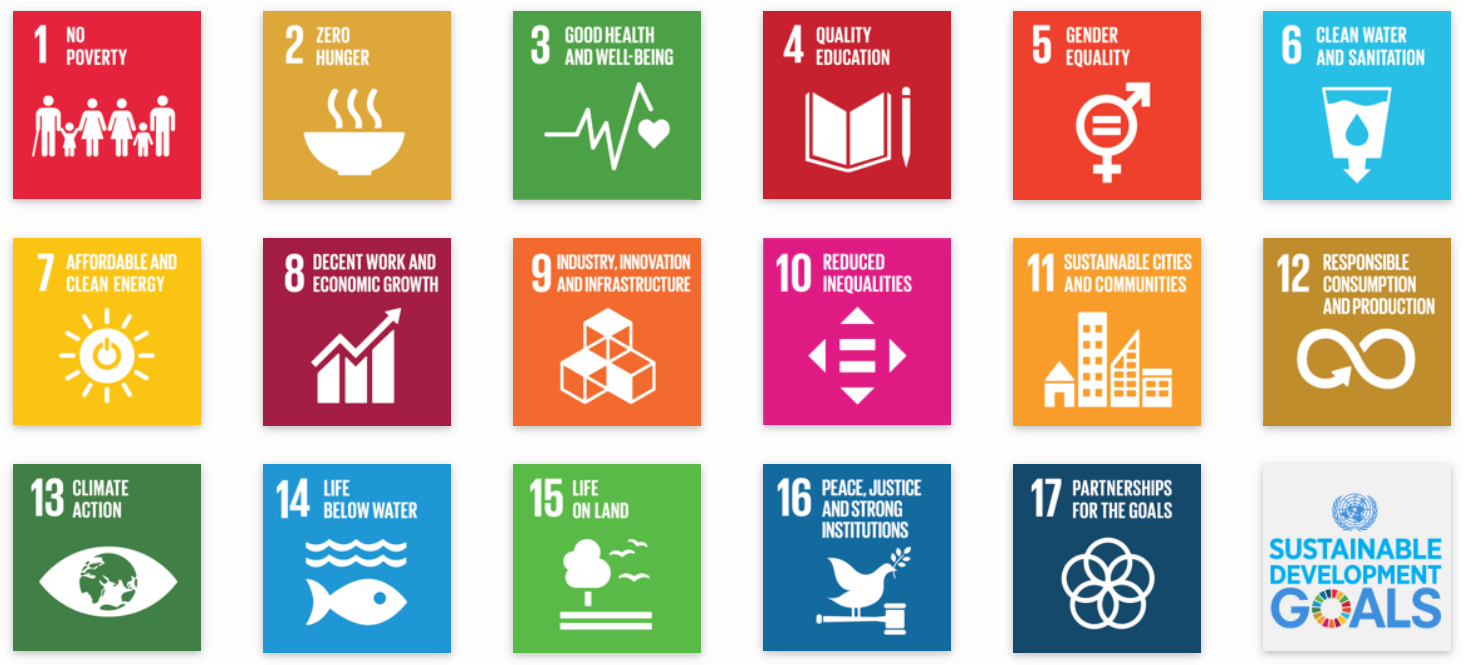
The United Nations Sustainable Development Goals (SDGs) were created to provide a shared vision for tackling some of humanity’s greatest challenges, including poverty, hunger, inequality, poor health, climate change and environmental degradation. Rather than treating these issues as separate problems, the SDGs recognise that they are deeply interconnected and require coordinated, long-term solutions.
For organisations such as Kashmir Welfare Foundation, the Sustainable Development Goals are not viewed as a checklist to complete or a badge to display. They provide a framework that helps ensure every project contributes towards a broader vision of sustainable, long-term community development. Whether supporting healthcare, clean water, livelihoods, environmental conservation or emergency relief, each initiative contributes towards strengthening communities rather than simply responding to immediate need.
Why Grassroots Development Delivers Lasting Change
One of the most important lessons in international development is that lasting solutions rarely emerge from a distance. Communities are not transformed solely through funding, technology or external expertise. Sustainable progress happens when local people become active participants in shaping their own future.
This philosophy lies at the heart of grassroots development.
Every community possesses its own strengths, challenges and priorities. Geography, culture, livelihoods and local leadership all influence which solutions are likely to succeed over the long term. Development that ignores these realities often struggles to achieve lasting impact because it addresses perceived problems rather than the issues communities themselves identify as most important.
Grassroots development takes a different approach. It begins by listening. It recognises that meaningful partnerships are built upon trust, local knowledge and shared responsibility. External organisations may provide expertise, resources and support, but sustainable change depends upon communities taking ownership of their own development journey.
This approach has become increasingly recognised across the international development sector because it creates stronger, more resilient outcomes. Projects are better maintained, participation increases, and communities develop greater confidence in their ability to respond to future challenges independently.
Sustainable development therefore becomes something communities lead rather than something delivered on their behalf.
Sustainable Development Is More Than Individual Projects
It is often tempting to measure charitable work by counting projects completed, meals distributed or wells installed. While these figures help demonstrate activity, they tell only part of the story.
The more important question is what happens afterwards.
- Does access to clean water reduce disease and improve school attendance?
- Do livelihood programmes help families achieve greater financial stability?
- Does investment in healthcare improve economic productivity across an entire community?
- Do environmental projects reduce flood risk while protecting agricultural land for future generations?
These are the outcomes that define successful sustainable development.
Individual projects should never be viewed in isolation because every intervention influences a wider system. Clean water improves public health. Better health supports education and employment. Higher incomes strengthen local economies. Healthy ecosystems protect livelihoods. Education creates opportunities that reduce long-term poverty.
Each improvement reinforces another, gradually creating communities that become stronger, healthier and more resilient over time.
This systems-based approach is one of the defining characteristics of sustainable development. Rather than addressing individual symptoms, it seeks to strengthen the foundations upon which communities are built.
A Shared Responsibility for Future Generations
Perhaps the greatest strength of sustainable development is that it encourages people to think beyond immediate needs and consider the long-term consequences of today’s decisions. Every investment made today influences the opportunities available to future generations.
A child who receives a quality education today may become tomorrow’s teacher, doctor, engineer or entrepreneur. A tree planted today may protect communities from soil erosion, improve biodiversity and safeguard water resources for decades. A healthcare programme established today may reduce preventable disease for an entire generation. Likewise, responsible management of natural resources ensures that economic development does not come at the expense of the environment upon which communities depend.
This long-term perspective is particularly important in Azad Kashmir, where natural beauty and natural resources remain central to both livelihoods and cultural identity. Rivers support agriculture and hydroelectric power. Forests stabilise mountain slopes and protect biodiversity. Productive land provides food, employment and opportunity for thousands of families.
Protecting these assets is not simply an environmental responsibility. It is an investment in economic development, public health and community resilience.
Sustainable development reminds us that progress should never be measured solely by what is achieved today. It should also be measured by the opportunities we leave behind for those who follow.
Building a Stronger Future for Azad Kashmir
The future of Azad Kashmir will not be determined by a single project, a single organisation or a single generation. It will be shaped by thousands of decisions made by communities, governments, charities, businesses and individuals who all share a common belief that lasting progress is possible.
There will always be emergencies that demand immediate action. Floods will continue to threaten vulnerable communities. Harsh winters will place additional pressure on struggling families. Economic uncertainty and environmental change will continue to create new challenges that require compassion and rapid humanitarian assistance.
Yet the true measure of success is not how often emergency aid is delivered.
It is whether communities gradually become less dependent upon it.
That is why sustainable development in Azad Kashmir is about far more than delivering projects. It is about creating opportunities, strengthening institutions, protecting natural resources and investing in people so that communities become increasingly capable of shaping their own future. Every improvement in healthcare, education, livelihoods, environmental sustainability and infrastructure contributes towards that larger vision.
Across the world, the most successful development programmes share one common characteristic. They understand that sustainable change does not happen overnight. It is built patiently, partnership by partnership, community by community and generation by generation.
Looking Beyond 2030
The year 2030 represents an important milestone through the United Nations Sustainable Development Goals, but sustainable development itself does not end with a deadline. Building resilient communities is an ongoing process that requires continuous learning, adaptation and investment.
New technologies will create opportunities that previous generations could scarcely imagine. Healthcare will continue to evolve. Renewable energy will reshape local economies. Better infrastructure will improve connectivity, while digital education will expand opportunities for young people living in even the most remote mountain communities.
At the same time, climate change, population growth and changing economic conditions will introduce new challenges that require innovative thinking and collaborative solutions.
The principles of sustainable development remain constant because they focus on strengthening the foundations that allow communities to adapt successfully regardless of what the future may bring. Communities with better healthcare, stronger local economies, cleaner environments and greater educational opportunities will always be better equipped to face uncertainty than those forced to respond to one crisis after another.
The Future Is Built One Community at a Time
Sustainable development is sometimes described as an ambitious global vision. In reality, it begins with something much smaller.
It begins with a child attending school because clean water has reduced illness within their family.
It begins with a parent earning a reliable income through new opportunities rather than relying on emergency assistance.
It begins with a village becoming more resilient to floods because forests have been restored and water resources managed responsibly.
It begins with communities gaining the confidence, knowledge and resources to shape their own future.
Across Azad Kashmir, these individual moments combine to create something much greater than the sum of their parts. They create healthier families, stronger local economies, protected natural environments and communities capable of overcoming challenges with resilience rather than dependence.
At Kashmir Welfare Foundation, this is the vision that guides every project we undertake. Our work is inspired by the principles of sustainable development because we believe lasting change is achieved not by treating symptoms alone, but by addressing the underlying causes of poverty, poor health, inequality and environmental degradation. Every initiative, whether focused on healthcare, clean water, livelihoods, environmental conservation or emergency relief, contributes towards a future in which communities are stronger, more self-reliant and better prepared for the challenges ahead.
Sustainable development is not simply about improving lives today.
It is about ensuring that future generations inherit communities with greater opportunity, stronger resilience and renewed hope.
Because the greatest measure of success is not how many people depend upon our help tomorrow.
It is how many no longer need it.